Before this blog post begins, I want to explain why this is written in parts one and two. When I envisioned this blog, I planned to share some of my favorite facts I’ve learned and read about the natural world. I have learned so much in this niche and I have had many conversations, typed out little thoughts into my notes app, and even taken full-fledged notes in a notebook. With all of this floating around in my brain, I thought writing a post on what I’ve learned would be an enjoyable and beneficial project, helping me to organize and remember more of what I have spent time consuming. When I started to write, I naturally got off track and started researching and writing about climate change, the reality of the situation, and what could be done to reverse some of the damage we’ve caused. My Google Doc was getting leeeennnggggttttthhhhhyyyyyy. I recognized that two major topics were emerging from one idea, and I didn’t want to remove or rework anything, leading me to separate the two completely.
Part one revolves around sanctuaries and wildlife all across the world, including some of the threats these wildernesses face. Part two is about global sustainability and what systemic changes could make a real impact. There are some hard truths and disheartening facts within these next two posts and I won’t shy away from that. I feel that the amount of information and the content of what I’m sharing is an accurate representation of how becoming involved in this subject goes; it is difficult to obsess over plants, animals, national parks, and our environment without recognizing the ugly side of what’s going on. Our world needs change, we need a whole lot of it, and we need it now. Through this newfound, yet fierce passion of mine, I now understand the level of interconnectedness between humans and nature, and more specifically, that without nature, humans would not (or will not) be here. But we are as disconnected as we have ever been. The wild needs our help and doing so could save humankind from catastrophe. The only way for change to occur is if we all stand together and fight to save what is still alive on Earth today. While this began as a fun project for me, there is no use in pretending that I am not deeply concerned and passionate about the health of our world. I, first and foremost, hope that you truly enjoy learning a few new animal and nature facts. But I also hope to inspire people to recognize the importance of biodiversity, appreciate every species alive on Earth today, and confront the threat of climate change.
How It All Began
About a year ago, I realized that I was not the smartest cookie in the box. This is not a self-depreciating comment, I was right (in a way) and that’s okay. I am blessed in that I can learn some subjects fairly easily if I choose to. I got good grades all throughout school, but I feel my true strengths lie in emotional intelligence and street-smarts rather than book-smarts. What I really was feeling insecure about a year ago was that I did not have facts or concepts I could confidently write about or share. I felt ashamed that I didn’t learn or retain much throughout college, I just passed. A year later, I still think I’d be an awful pick for a trivia night. If you want to discuss different historical figures, the evolution of vehicles, constellations and their meanings, the justice system???… the list goes on…I’m not your woman. Memorizing a wide variety of facts is not my expertise. But, I feel smarter now because I am exercising my brain and trying, something I wasn’t doing enough of before. While I may not recall every specific detail, I am great at understanding the bigger picture and emphasizing the importance of empathy in what I learn about. I have hardly scratched the surface in the grand scheme of environmental/biological nature and animal sciences. I started with a few specific animals, the climate, and a slim amount of ecosystems, and I have not learned anything else. I am such a hyperfixator, I can’t help but to aggressively focus on a few main points that resonate with me. But I started, and did so in the most authentic way, and I am happy with that.
With wanting to become smarter, I wasn’t sure where to start. I didn’t act on this desire of mine right away, but I started reading. I have always gravitated towards media containing animals, and choosing Talk to Me by T.C. Boyle as my third book is where this rabbit hole opened. Talk to Me is a book about two people attempting to raise and teach a chimpanzee ASL and then, how, why, and what factors halted this project as it was deemed as impossible. After finishing the book, I began looking into ape language research and ape cognition. All that I have learned thus far has been eye-opening for me in a way I can’t explain. I don’t remember everything I’ve read or heard, likely not even close. But the impact of discovering the depth of their awareness unlocked a level of empathy within me for great apes and for all animals that changed me for good. Learning about their excellence in multiple intelligences reconstructed my view on them and other species, and I feel that more people should become aware of the important lives we share this planet with.
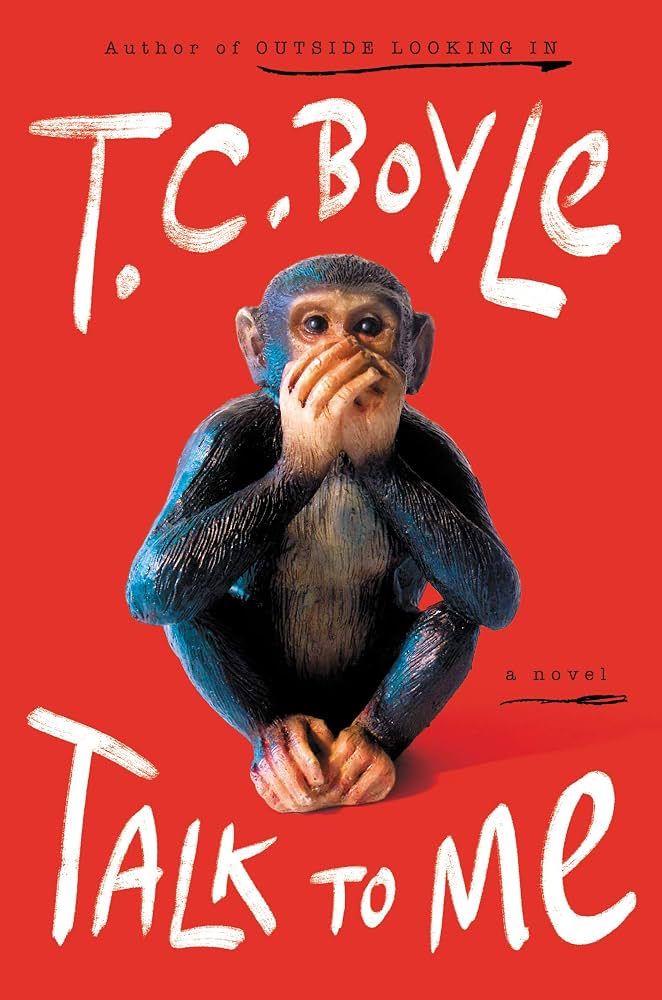
In a nutshell, apes are incredibly intelligent and can understand goals, intentions, and patterns, as well as use, build, and modify tools. They are emotionally and socially intelligent and each individual has a unique personality. In the wild, they form complex social groups and develop cultures shaped by hierarchies, grooming relationships, and the intergenerational transmission of survival and social skills. Great apes have remarkable spatial and photographic memory and when looking in a mirror or at a photograph, they are capable of recognizing themselves. Many great apes have demonstrated the ability to acquire language through experiments where researchers have taught them hundreds of different ASL signs. Human beings are members of the great ape family, and we share 98.7% of our DNA with chimpanzees and bonobos. As their closest relative, I feel humbled and responsible for the fate of the great apes. The more I learn about them, the more I realize the qualities that we often use to define humanity – emotion, relationships, play, grief, communication, and empathy – are not exclusive to humans. Great apes (as well as many other species) experience the world complexly and we must reshape our responsibilities toward all living beings. Their place on this planet is valuable, their habitats are worth protecting, and they deserve to thrive as they have for millions of years. The great apes were just the beginning of this entire project, their charm pulling me even further in.
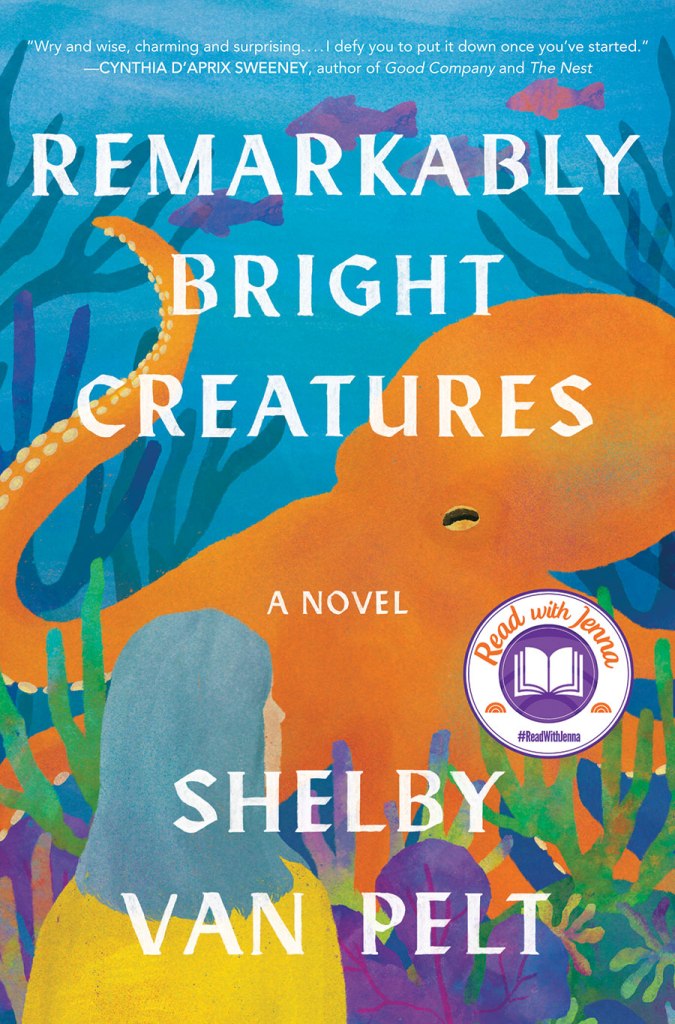
Following this book, I quickly read Remarkably Bright Creatures by Shelby Van Pelt and The Dolphin House by Audrey Shulman. Both of these novels are about sea creatures and their relationships with the protagonist, showcasing their intelligence and intentionality in connection and improvement. Octopuses are some of the most remarkable and intelligent creatures on Earth with eight independent arms that can taste, touch, sense light, and move independently. They are incredible problem solvers and all of their survival skills are self-taught. Dolphins are quite gregarious, forming pods of 5–30 dolphins, with some mega-pods containing thousands. Dolphins use whistles, clicks, and other sounds that allow them to communicate and cooperate in order to hunt, but also to play. In just three books, I couldn’t help but immerse myself into the animal kingdom, yearning to expand my knowledge and deepen my understanding. Like previously stated, I have always been someone who is attracted to animals, but I had yet to take the time to learn about more than meets the eye. The more I learned about these animals, the more I wanted to understand the world they lived in. What began as curiosity about a handful of species gradually became an interest in the entire ecosystem, the people who protect them, and the challenges threatening their survival.

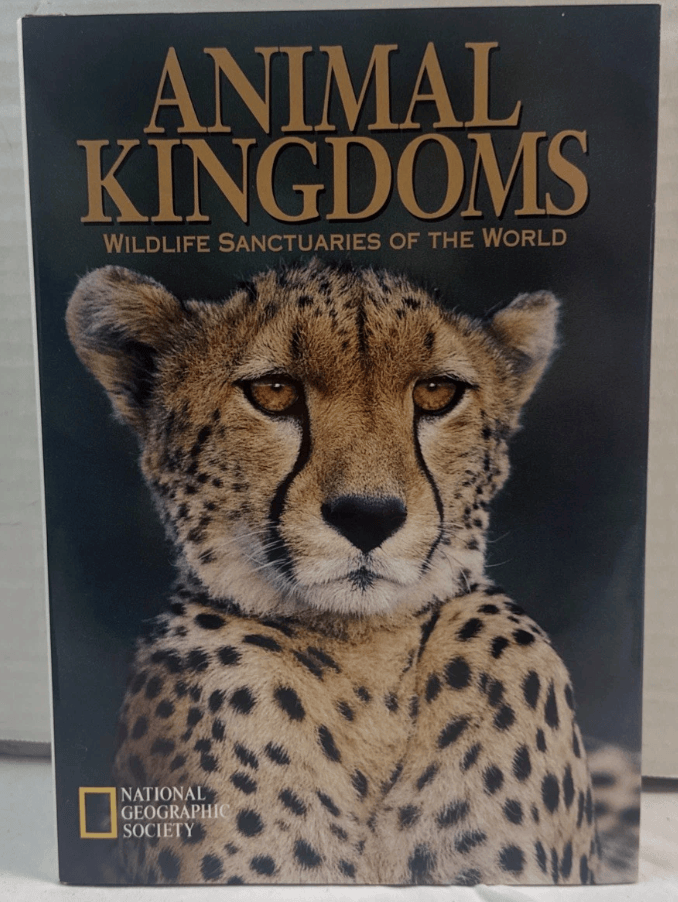
Animal Kingdoms: Wildlife Sanctuaries of the World
I found National Geographic books from the 1990s at an antique mall in Columbia, Missouri and I walked out with Animal Kingdoms: Wildlife Sanctuaries of the World. I wasn’t sure what to do with a coffee table decor book, but I had to have it. Luckily, it fit right into my goal of picking up new hobbies; I started reading and hand-writing notes as I went. Each section covers a different continent, written by lifelong explorers who have studied the wildlife that lives there. Because every author brought a unique perspective, the chapters varied in style while diving into conservation. To retain what I learned and put my notes to good use, I decided to turn my reading into a self-assigned paper for this blog post. I started with the chapter on Africa, the perfect introduction to the book.
Africa
The Africa chapter discussed how colonization, poaching, and the expansion of human habitats have led to major declines in wildlife and animal populations. Anthony Smith explained that sanctuaries and national parks were created to protect wildlife but excluded Maasai people, despite their longstanding history of living alongside the animals. Maasai people are semi-Nomadic indigenous groups of Nilotic people who live in the Great Rift Valley in East Africa. The Maasai managed and tended the land that supported animal populations and removing them shattered their ancient symbiotic relationship. Once they were removed, the government allowed the construction of concrete lodges, fences, and roads to accommodate tourists, blocking migration pathways, cutting the animals off from their water sources. The Maasai worked hard as guardians against poachers, so without their protection, more human-wildlife conflicts arose and killings of wildlife greatly increased. Of course, the Maasai suffered too. They had lost access to their shelter, medicine, food and water source, but too, they lost their connection to their ancestral land where they built traditions. Because of this, Tanzania (where Serengeti National Park is and where the Maasai people once lived) generated billions of dollars from tourism, but political friction has continued since the evictions. Protests happen often, human rights organizations share their dissatisfaction with their decisions, and legal battles have continued on for decades. While normally, hearing of a protected wildlife area is a wonderful thing, how they come about is important and must be done with respect. If respect is not shown, ecological damage will occur, organizations will fight, and living beings will suffer, including the great mountain gorilla.
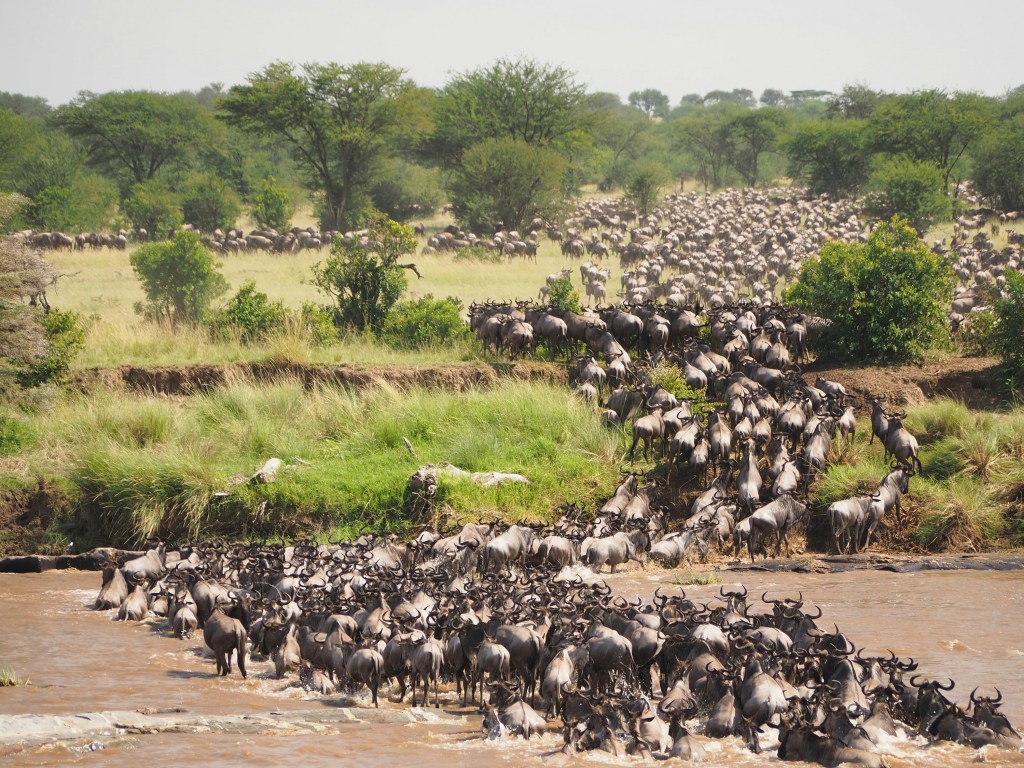
Smith discussed the human discovery of gorillas and those who braved the forest to witness them firsthand. First mentioned was George Schaller, who in 1959, went to the Virunga Volcanoes and became the man who conducted the first ever close-range study of gorillas in the wild, revealing that they are much more social, restrained, and complex than people initially thought. He found that gorillas are not the savage beasts we described them as, but are kind and shy; their aggressive displays are simply defensive bluffs used to establish social dominance. Gorillas are completely vegetarian – eating hundreds of plant species – and non-territorial, with their home ranges overlapping with other groups, suggesting mutual tolerance. Family groups, led by a dominant male silverback, wander every day, building a new nest to sleep in each night for safety and comfort. Following his gorilla study, Schaller studied lions, tigers, snow leopards, jaguars, pandas, and antelopes, producing some of the first detailed studies of these animals in the wild. He believed that animals required empathy, that they have inner lives, social structures, and individual personalities worth describing. Because of his empathy for animals, he helped shape conservation strategies and influenced the creation and protection of many wildlife reserves all across the world, recognizing that just documenting would not be enough to save the habitats that were and are disappearing. Following in his footsteps, Dian Fossey took his gorilla research a step further, teaching us even more about such an incredible species.
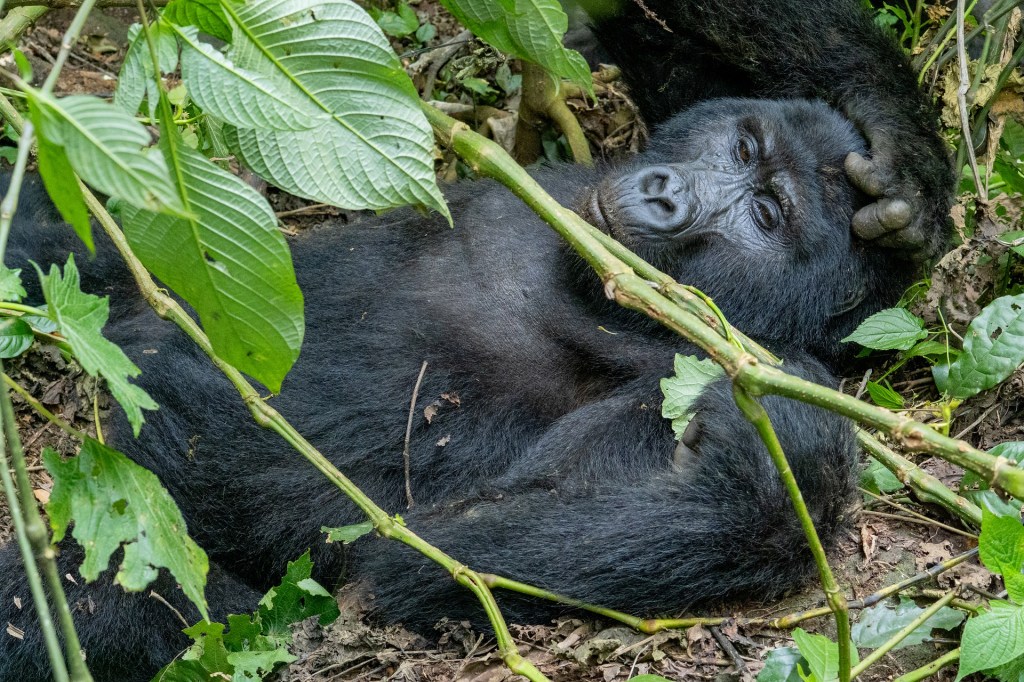
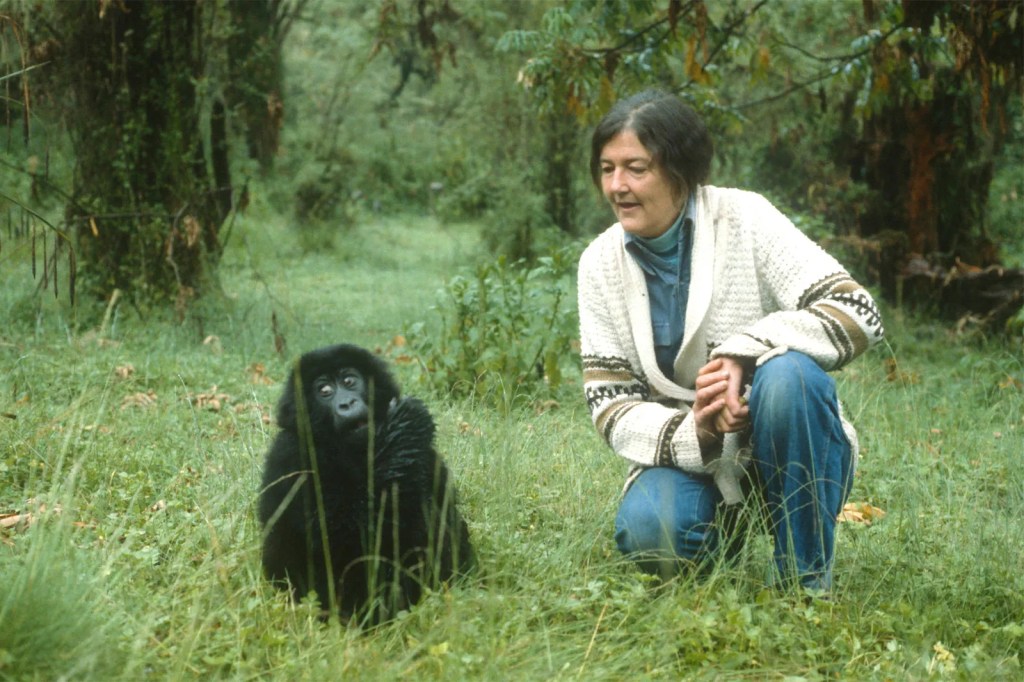
Unlike George Schaller, who studied the gorillas by sitting and watching from a far, Dian Fossey approached them, acted like a gorilla, and lived among them for years. She solidified what Schaller had concluded, proving that each gorilla has a unique personality and that as a whole, gorillas are quite the gentle giants. Fossey created real relationships with the gorillas and studied their vocalizations, their society, diet, and more. In 1967, Fossey founded the Karisoke Research Center, based in Rwanda, where she analyzed her findings, completed autopsies, hand-raised orphaned gorillas, and taught student researchers about her methods. Eventually, in 1983, she wrote a book and released a movie called “Gorillas in the Mist,” about her life among the gorillas. Fossey was aggressive in her anti-poaching efforts, leading a patrol team to destroy poachers’ traps, burning down their huts when set in protected areas, as well as using her global platform to shed light on the Rwandan government’s laziness and complete lack of care. Unfortunately, in 1985, Fossey was murdered in her cabin in Rwanda. No one is sure exactly who did this, but there are theories suggesting that she was targeted by poachers or political figures in retaliation against her anti-poaching efforts. Dian Fossey was and is forever an icon. She stood up for what she believed in and fear never stopped her from doing all she could for the gorillas and for conservation. She is an inspiration to those fighting for the welfare of the Earth’s environments and its species. Africa’s stories focused on the relationship between wildlife and local communities with insight into the conservationists who fought for their survival. Directly following this chapter was Europe, revealing more species and different challenges.
Europe
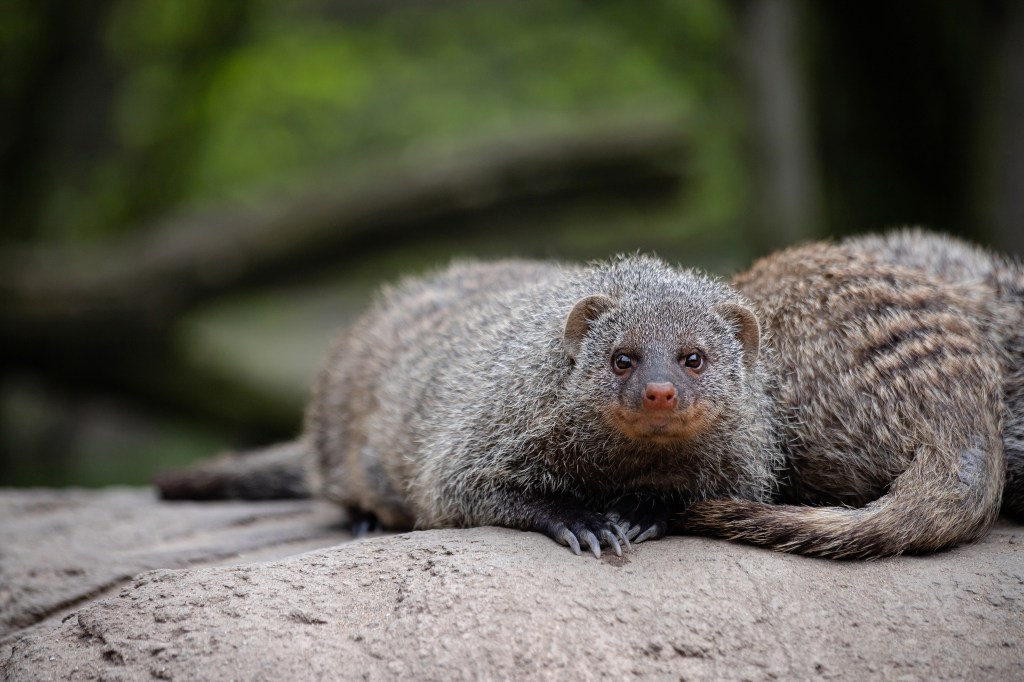
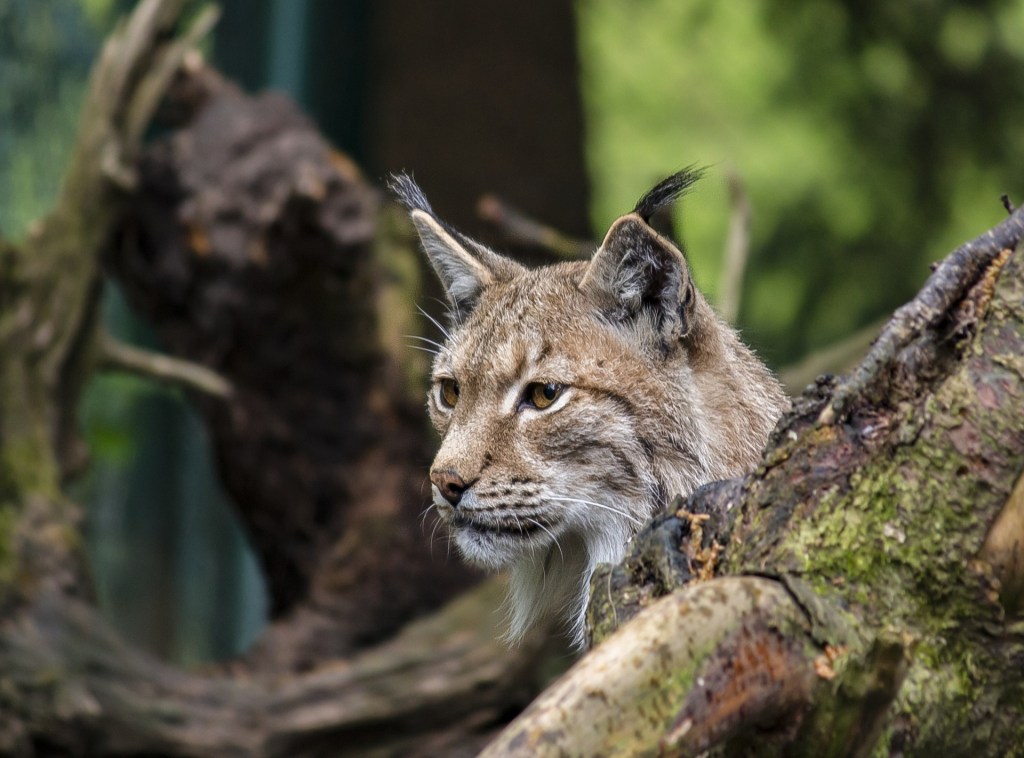
While Fossey fought for remote wildernesses, Douglas Botting brings our attention to Europe, where nature must coexist with a dense human population. Spain in Southwestern Europe holds one of the continent’s largest intact ecosystems, the Doñana National Park (also known as the Coto), which contains the Las Marismas Marshes. This diverse landscape holds dry dunes, heaths, woods, and open savannas, but also huge sections of wetlands that provide the perfect home for sneaky predators like the Iberian lynx, mongooses, snakes, and wild bulls. As the perfect wintering ground, the marshes support over 200 bird species and 30 mammal species. But Botting informs us of a major challenge here: European reserves exist as isolated islands of nature trapped within heavily altered human landscapes. Tourism, rice farming, irrigation, mining, and road building have left and still cause a terrible impact, resulting in shrinking sanctuaries, unbalanced food webs, and polluted waters that have killed thousands of migratory birds over the years. Luckily, there are some other European countries doing exceptional work in response to biodiversity loss.
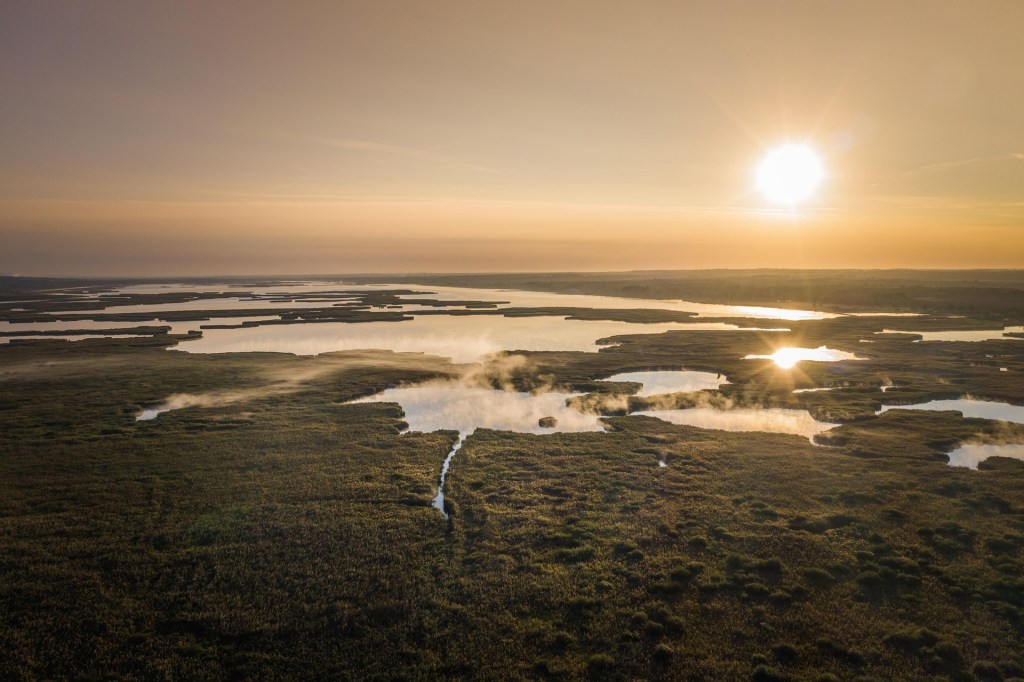
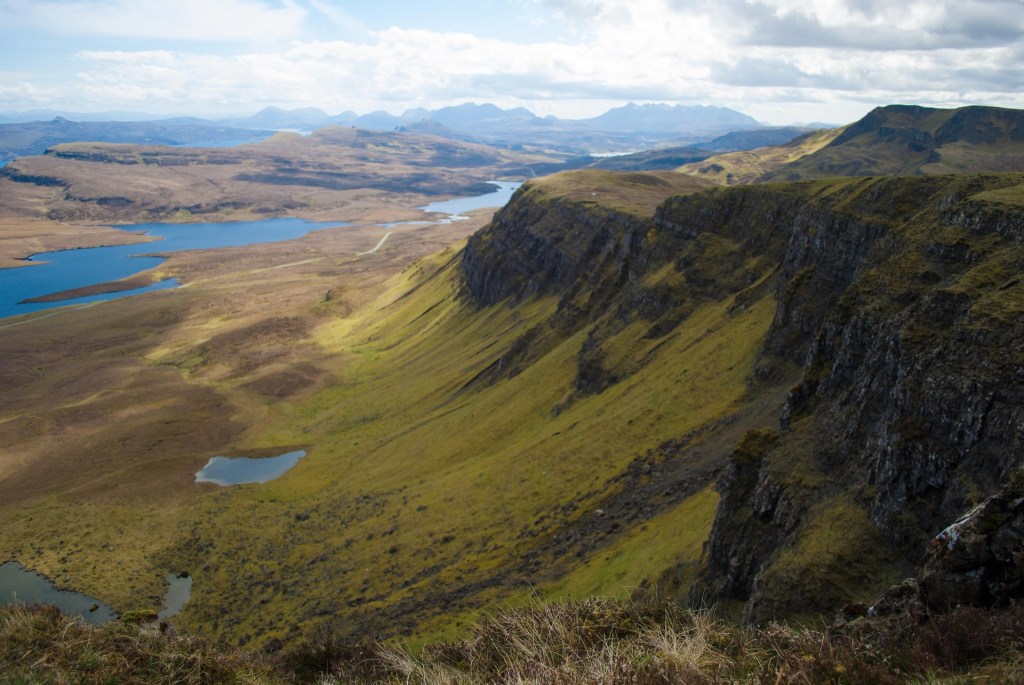
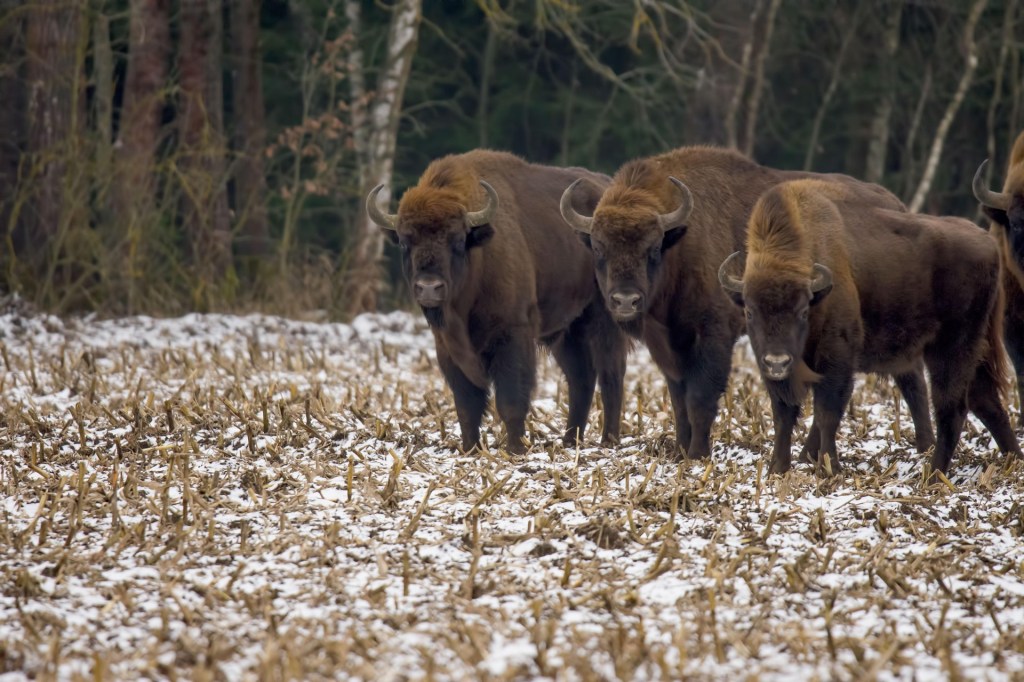
Moving northeast, Europe’s geography transitions into stunning, nearly unpopulated wildernesses. In the United Kingdom, the Scottish Highlands and the Hebrides are known for their massive regions of mountains, glacial valleys, and more than 500 Atlantic islands. The Pinsk Marshes of Belarus and Poland’s Masurian Lakes create wetlands that have allowed conservationists to reintroduce beavers, ospreys, and sea eagles. A notable recovery story of the European Bison took place here when, following World War I, around 1927, Europe’s largest land mammal was driven to total extinction in the wild, leaving just 60 individuals surviving globally in zoos. In groundbreaking and challenging breeding efforts, conservationists managed to breed the survivors, releasing them back into the wild in 1952 where they thrived. Now, herds number in the thousands, helping to clear paths in the forest ecosystem, scatter seeds, and open up the landscape for other native species to flourish. These success stories show that recovery is possible when habitats are protected and species are given the opportunity to rebound.
Many of Europe’s modern national parks and sanctuaries live on today because they were once exclusive hunting grounds for royalty. Because regular citizens faced executions or punishment for poaching in these royal areas, these habitats were unintentionally shielded from the deforestation that took so much of Europe’s ecosystems. Today, international agreements and corporations keep these wildernesses safe. UNESCO (United Nations Educational, Scientific, and Cultural Organization) protects cultural and natural landmarks, ensures inclusive and quality education, and promotes scientific collaborations internationally to address global issues and improve sustainability. The Ramsar Convention implements international treaties for the conservation, protection, and sustainable use of wetlands, working to balance human industries with fragile ecosystems. Wetlands provide homes for thousands of birds across the world, provide clean water to multiple countries, and bring in tourists and revenue to the countries that contain them. Looking at how many species and communities depend on wetlands, it becomes much easier to understand why their protection remains such a major conservation priority. Bottling closed with an honest and thought-provoking quote by the Former President of UNESCO’s MAB Program and Director of the Doñana Biological Station, Dr. Javier Castroviejo. He stressed that humanity is not separate from nature, but that we are connected and I believe it is worth sharing:
“People say ‘what does it matter – a few ducks having a hard time? What about all of the people in the world who are having a hard time?’ And I say to them, it does matter. Because all life is related, all things are connected. The fact that we are human beings does not mean that we are separate from the other living things of this planet. If we are prepared to let the creatures of The Coto die, then we are ultimately prepared to let people die too.”


Asia
If Africa introduced me to conservation and Europe highlighted ecosystem recovery, Asia demonstrated the scale of biodiversity that still exists in parts of the world today. Asia, the next continent discussed in my National Geographic book, was written by Patrick Booz. Firstly in this chapter, I learned a little bit more about the World Wide Fund for Nature (WWF), which is an international organization devoted to the conservation of the world’s animals, plants, and natural environments. The inspiration for its logo came from a giant panda living in the London Zoo the year the WWF was created. The founders were aware that a strong, recognizable logo was essential for their organization to reach all corners of the world. The WWF was the first international conservation organization to work in China at the government’s invitation, with its main role being to influence and guide policy decisions to protect pandas and their habitats. Their original focus was to save species and ecosystems that were facing extinction, but over time, the organization realized that saving the natural world meant changing human behavior. The WWF founded Earth Hour, where on a designated evening, thousands of people, hundreds of cities, and many companies turned off all unnecessary power for one hour as a symbolic movement calling for governments to accelerate the energy transition. The organization also founded The Markets Institute, focusing mainly on modern production of food, a main driver of biodiversity and habitat loss. The WWF partners with academic institutions, NGOs, major global food brands, and more to create solutions that reduce negative impacts. This influential international organization has saved species all across the globe for over 60 years and is working hard to convey the urgency of the crisis to the public.

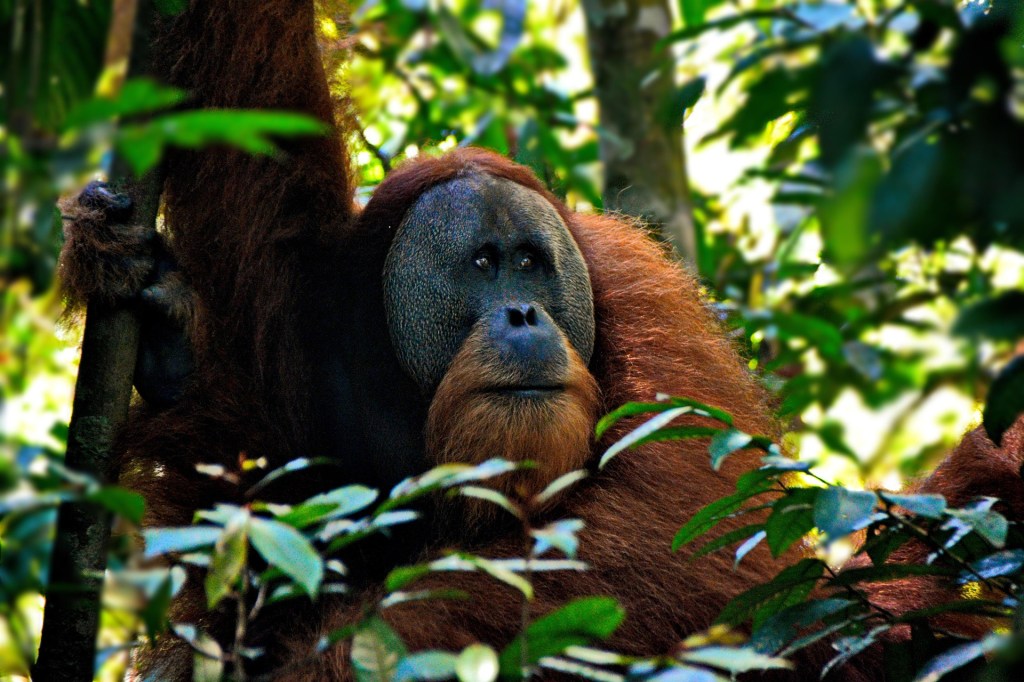
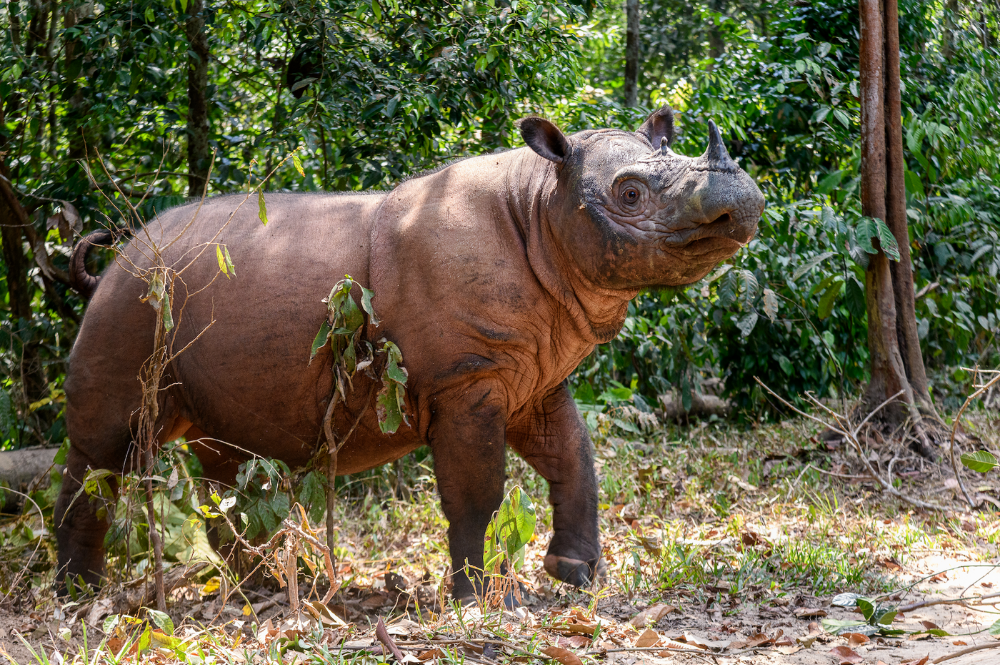
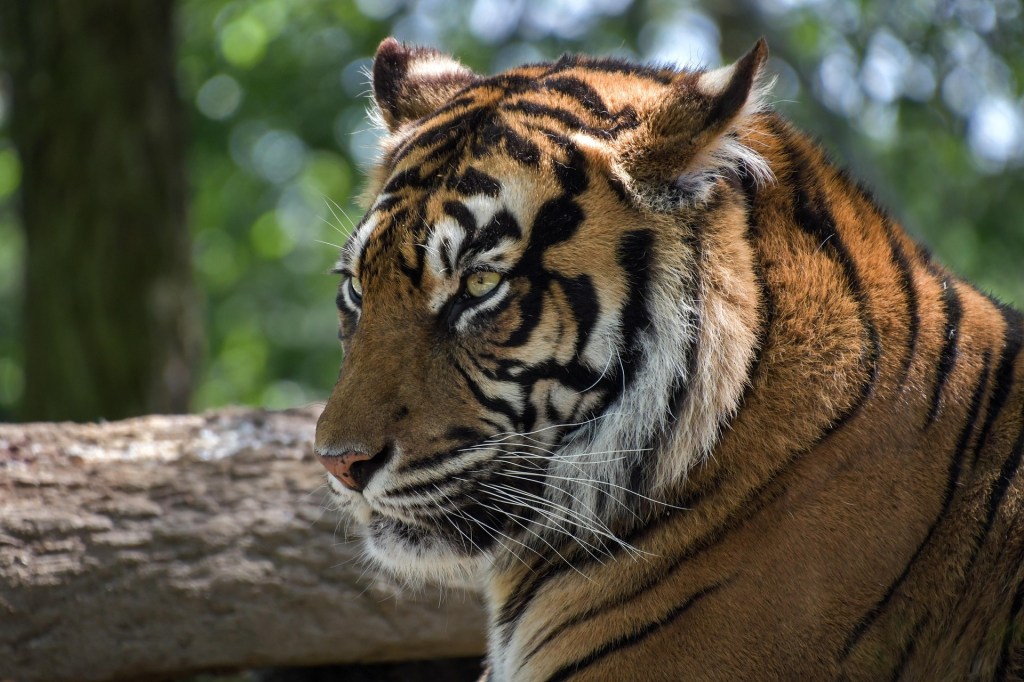
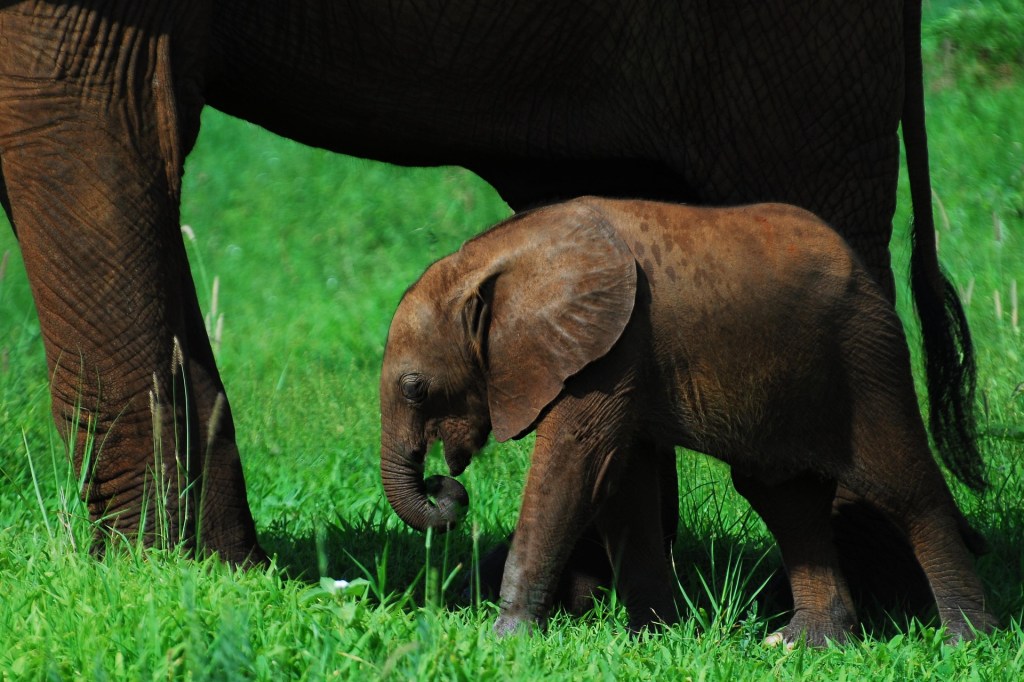
The Leuser Ecosystem in Sumatra, Indonesia, is the last place on earth where tigers, elephants, orangutans, and rhinos live together in the wild. As well as housing many different animal species, it also holds diverse landscapes of lowland and montane forests, nine rivers, three lakes, and acreages of peatlands. Over 4 million people rely on this rainforest as a source of clean water and in just 5 years, one-fifth of the entire rainforest has been deforested. The forest’s main threat is a global demand for palm oil, leading people into protected areas of the forest to obtain what they believe they “need.” On top of this, there is an accelerating threat of logging and mining as well as fragmentation of the forest for new roads. With such dangerous, mass destruction, fires have been occurring, resulting in economic and public health issues. Of the 80 remaining Sumatran rhinos, Leuser contains 50 of them, the last viable population of the Sumatran rhinos on Earth. Of the 400 Sumatran tigers, 100 of them live here and the fate of this species relies on this population to continue breeding. And finally, 85% of the world’s endangered orangutans live in this forest. If another one-fifth of this forest disappears in another 5 years, it is projected that the orangutans will be the first great ape to go extinct. It should be mentioned that Leuser holds nearly 2 billion tons of carbon dioxide and the destruction of this forest is direct destruction of our atmosphere. Global Conservation and their partners have placed a permanent “No Cut, No Kill” protection order and it is crucial that this is followed. Rangers and conservationists are working to protect, monitor, and strengthen this ecosystem. What struck me most while reading about Leuser was how many species, ecosystems, and human communities depend on the same stretch of rainforest.
The Brahmaputra River, running through Kaziranga National Park in India, is home to rhinos, tigers, gharial, langurs, monitor lizards, king cobras, and multiple deer species. Because of the numerous endangered species that live here, this park has been well-protected for decades. Rhinos are a perfect example of how humans have caused scarcity, but also, how humans are capable of protecting and rebounding species. A large reason for their endangerment dates back to the Tang Dynasty (7th-9th centuries) when Chinese people sought exotic gifts. The rhino became the source for these gifts, and the poaching that began centuries ago has continued to the present day. Rhino horns were used as medicine, were carved into boxes, bracelets, chopsticks, and wands, and were held by Buddhist priests. Because of decades of rhino and habitat killing, this great species requires intensive protection now. The first protective law in India was passed in 1932, finally prohibiting the killing or injuring of rhinos as well as the destruction of their habitat. In 1954, this law was strengthened and gave the government authority over rhino conservation and rhino horns. In 2009, stricter penalties were introduced, including life imprisonment for a repeat offender. After hitting a vulnerable low of 30–70 rhinos in the early 1900s in India, the laws put into place have allowed rhinos in India to reach a population of just over 4,000! This is a conservation win and I love learning about the species that people have spent their lives protecting. What makes this story encouraging is that it shows conservation efforts can work, even after decades of decline.
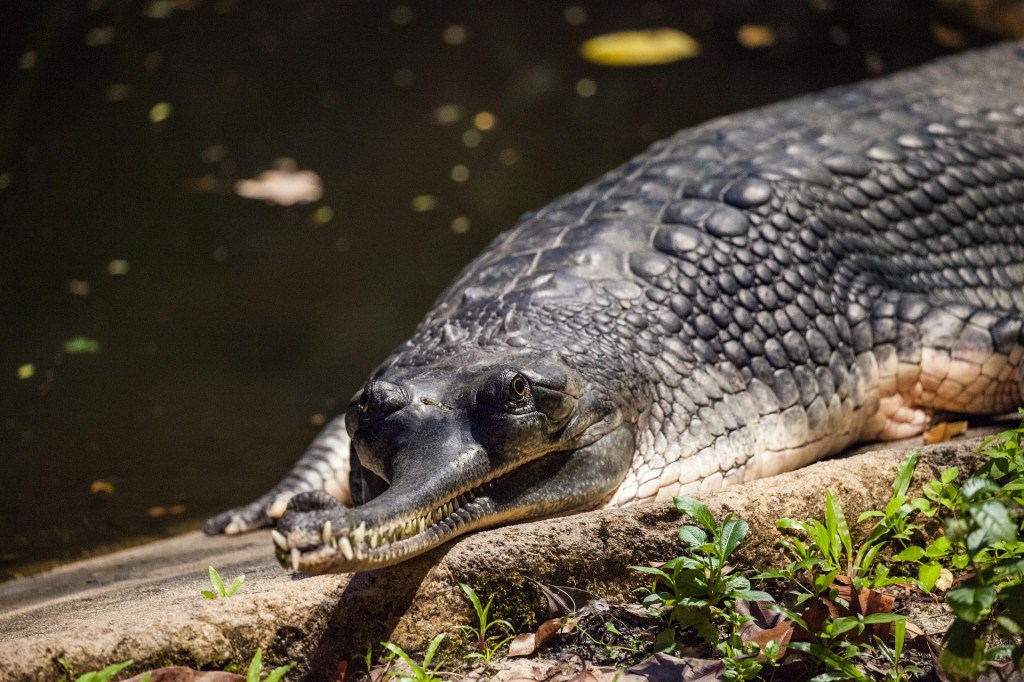
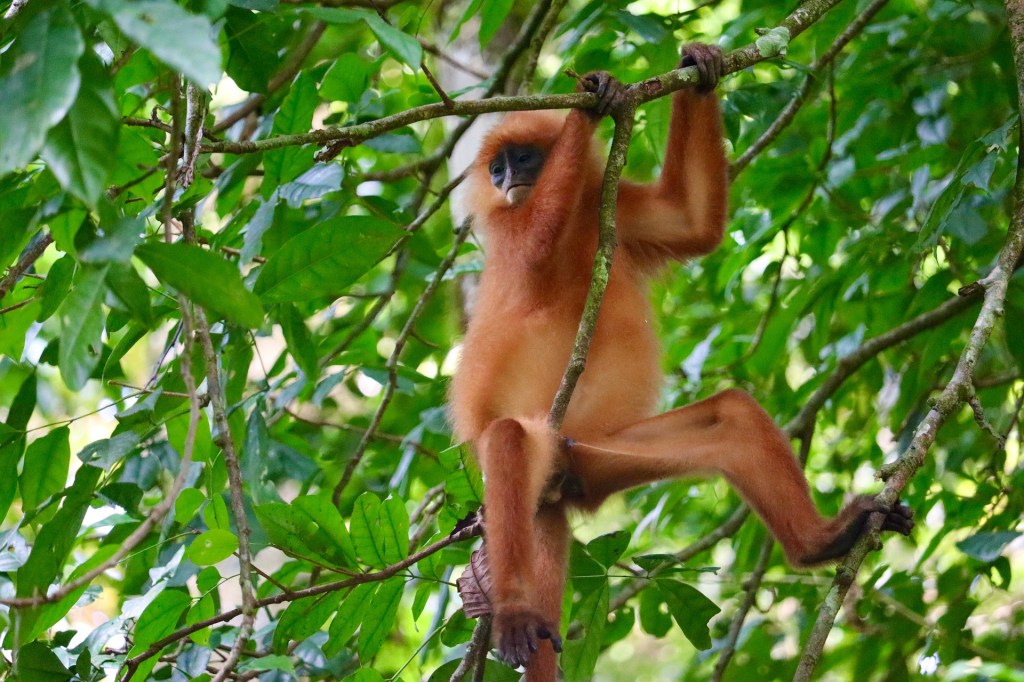
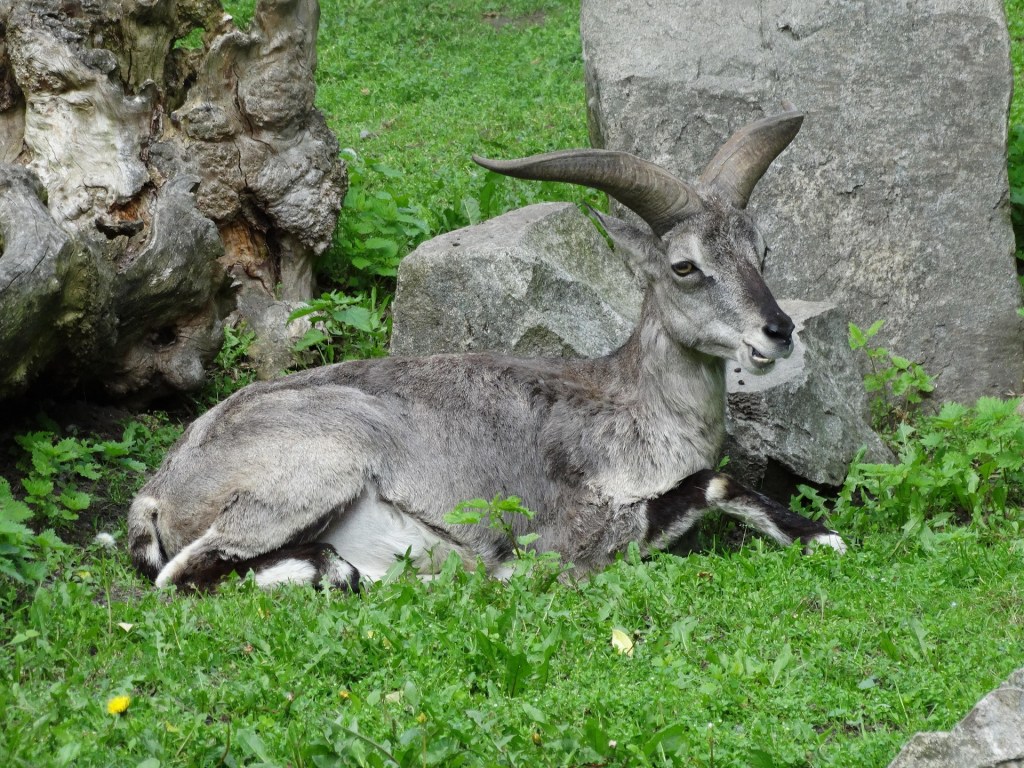
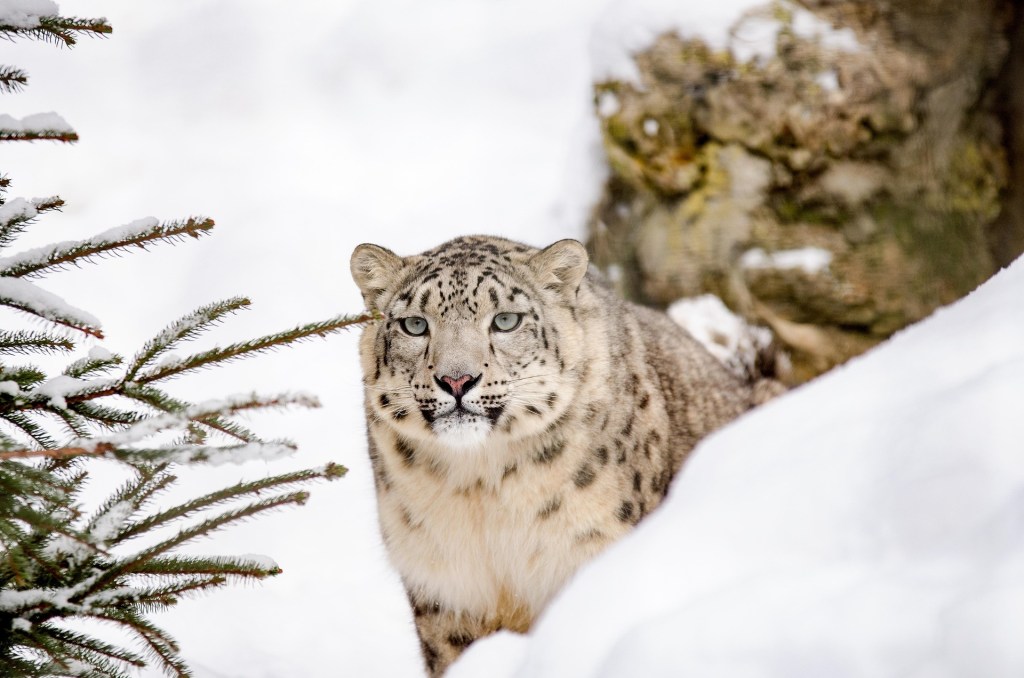
I have to say, Patrick Booz wrote an incredible section and I think Asia was my favorite chapter. He shared a great mix of conservation stories, national parks, organizations, and their efforts, along with wholesome and lighthearted stories about animals. Rather than dive deeply into every example, these were a few of the smaller discoveries that stood out to me while reading. Chital deer like to gather below langur monkeys when they pick tree fruit, eating what they drop or leave behind. Guar (the largest wild cattle species) will often have insects living in their nostrils. Guar will tilt their head up and allow drongo birds to feed on the insects living in there. Two unique wild pairings that happen every day! The Tibetan Plateau is the world’s largest and highest plateau and is known as the “roof of the world”. This plateau is incredibly wild with many indigenous species, bringing together over 500 bird species, wild yak, the Tibetan wild ass, antelope, gazelle, bharal, argali, snow leopards, brown bears, and more. Not even half of the plateau is protected, and commercial and sport hunting, as well as global warming, are putting these species at risk. George Schaller (the same guy from the Africa section, a true trailblazing goat) studied and lived with giant pandas in the 1980s and noticed how perfectly adapted they are to their environment and to eating and chewing bamboo. Pandas, over time, became vegetarians, causing their teeth to evolve into flat molars that can crush bamboo efficiently. They have even developed an extension of their wrist bone that makes handling bamboo easier. Pandas lack a gut microbe to break down bamboo, explaining why they are such low energy creatures and why they eat all day, around 20-40 pounds of bamboo. Of course, humans have encroached on their habitat and poached them, shoving them into a few sanctuaries, but many people within conservation work hard to breed pandas and protect them from extinction.
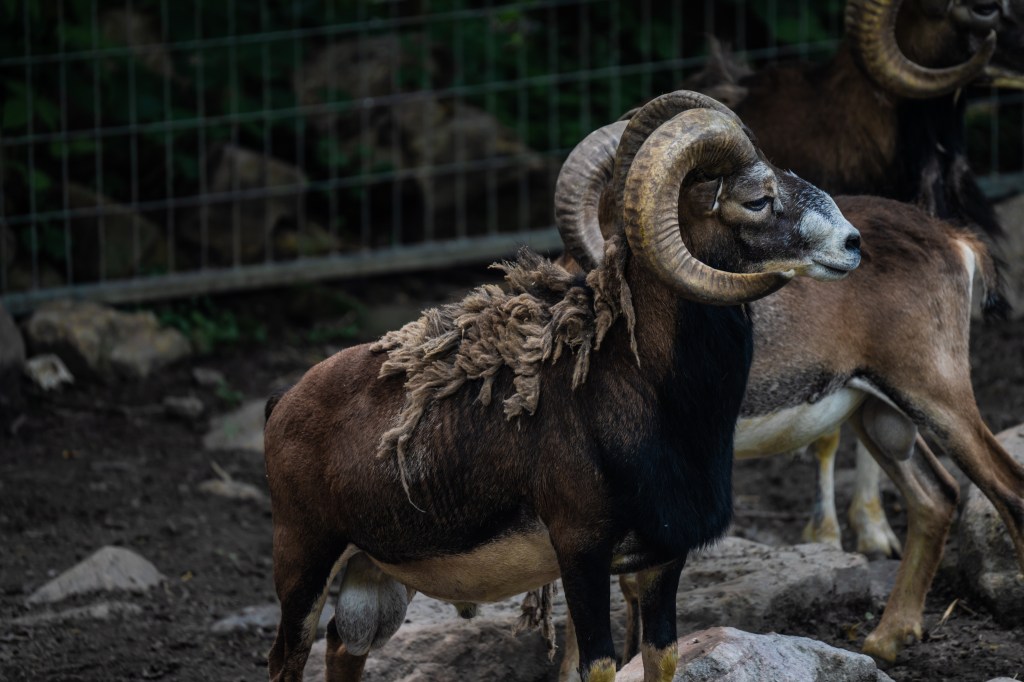
In the Vu Quang Nature Reserve in Vietnam, new species have been discovered, leading the Vietnamese government to increase the size of the reserve. In 1992, the Vu Quang Ox was discovered and then in 1994 scientists discovered the Giant Muntjac Deer. And finally, as recently as 2021, the Vu Quang Dwarf Frog was discovered. With so much talk about endangerment and extinction, it is encouraging to hear of new species evolving. One thing I appreciated about this chapter was that it never felt entirely hopeless or entirely optimistic. Discoveries like these are a reminder that there is still a great deal left to learn about the natural world. Loren Eisley, a paleontologist and naturalist explained the importance of humans being connected to nature,
“Do not forget your brethren, nor the green wood from which you sprang – to do so is to invite disaster…One does not meet oneself until one catches the reflection from an eye other than human.”
Australia
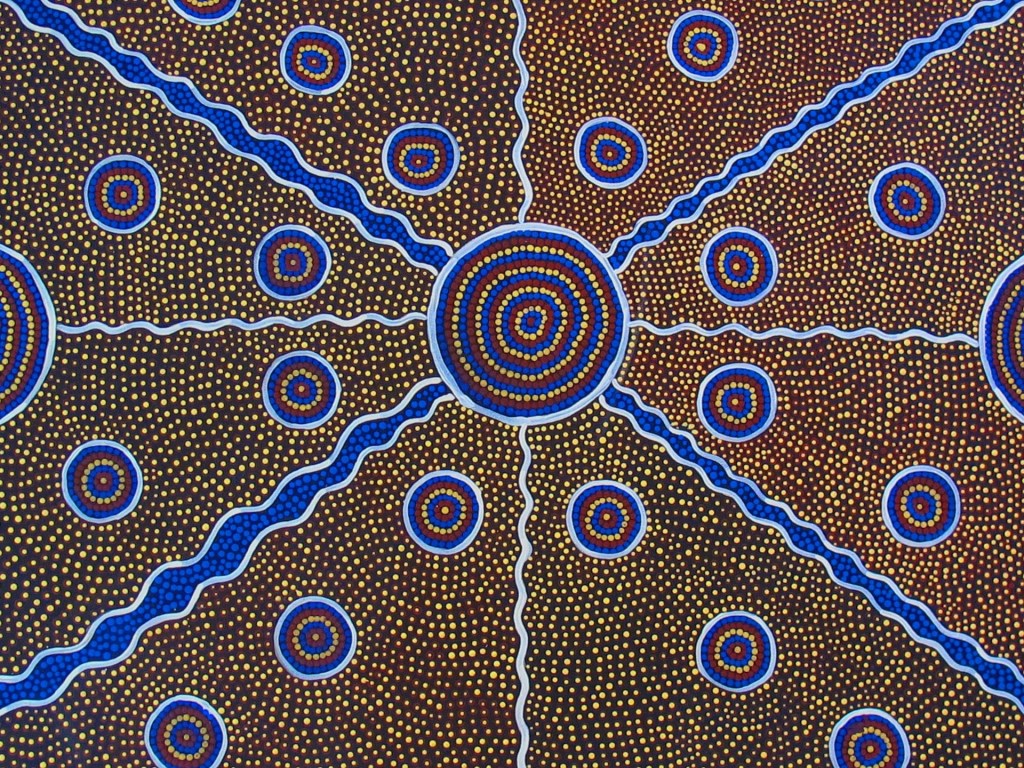
Australia’s section, written by Graham Pizzey, was full of facts about the landscape, the Aboriginal people, and the species that live in this country. Australia is a continent full of coastal floodplains, high-walled sandstone escarpments, rock shelters, and aboriginal art. The Aboriginal Australians are the first ever inhabitants of the continent. They lived in what is now Kakadu National Park, close to Darwin, Australia. Over time, the population of the Aboriginal people in the area has decreased from a couple thousand to just below 100, being pushed out for mining purposes. Luckily, their land was given back and made into a national park with just one mine. Aboriginal art is considered one of the world’s oldest continuous art traditions, dating back to over 60,000 years ago. The earliest examples of this art were created through rock paintings, stencils, and engravings. These pieces often depicted animals, humans, and ancestral beings, offering a window into the lives and spiritual beliefs of Aboriginal Australians. Body painting and ground designs were also deeply significant. For their ceremonies, Aboriginal people decorated their bodies with intricate patterns and created temporary designs on the ground using natural pigments, colored sands, and feathers. These art forms often reflect the temporary nature of human life. The rock art that survives today keeps ancient stories alive, capturing traditional beliefs about the world’s creation, spirituality, and the cycle of life. Ancient galleries can be found at major sites like Kakadu National Park and the Burrup Peninsula. Today, contemporary artists continue these traditions across new mediums–such as bark and canvas–while educators work to uphold the deep respect and understanding of Indigenous cultural heritage in Australia.
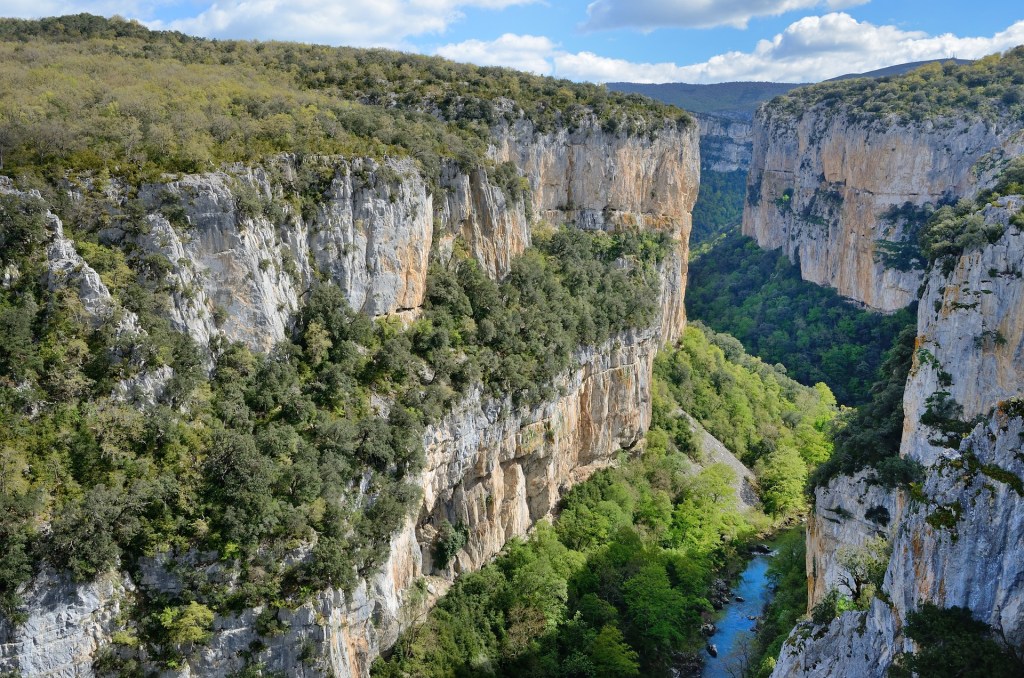
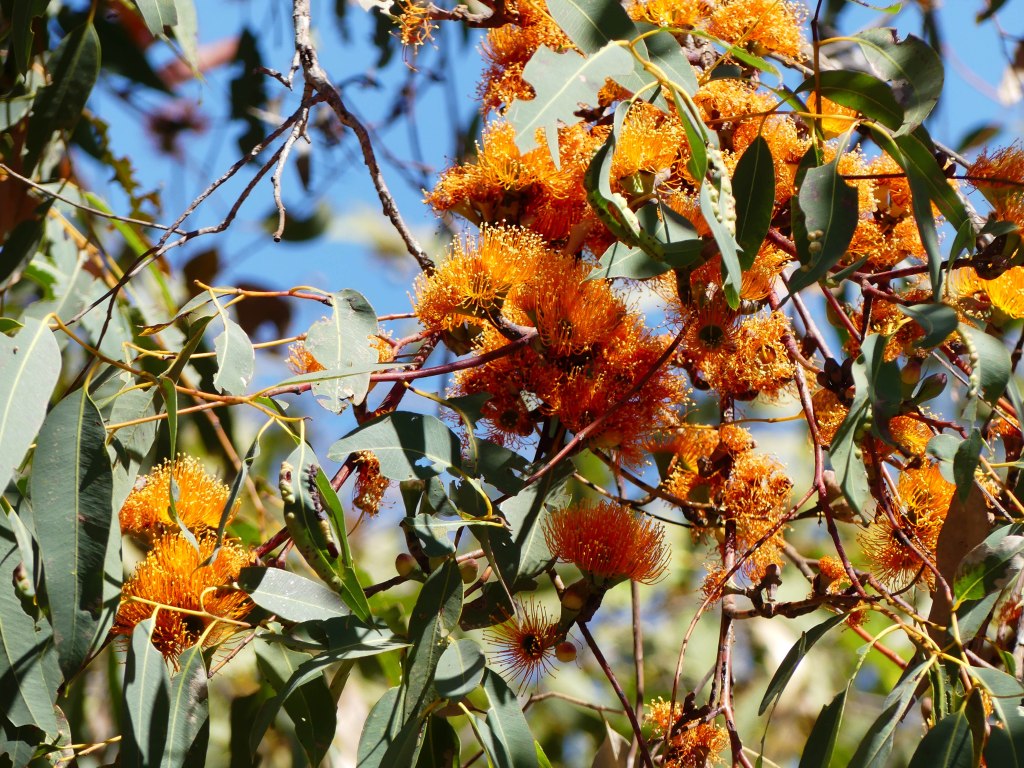
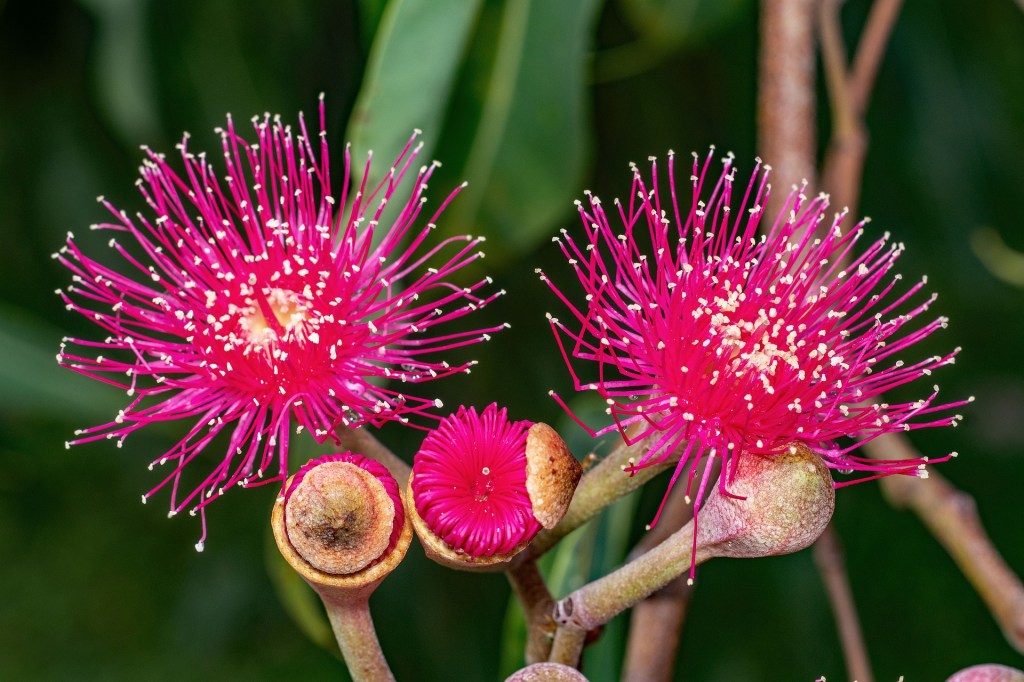
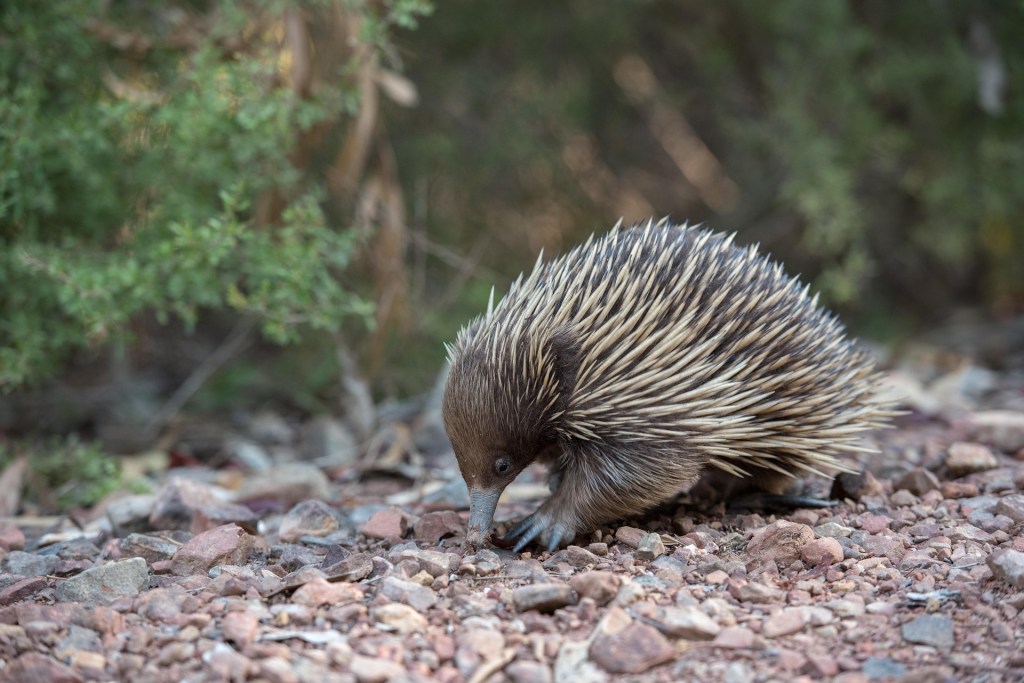
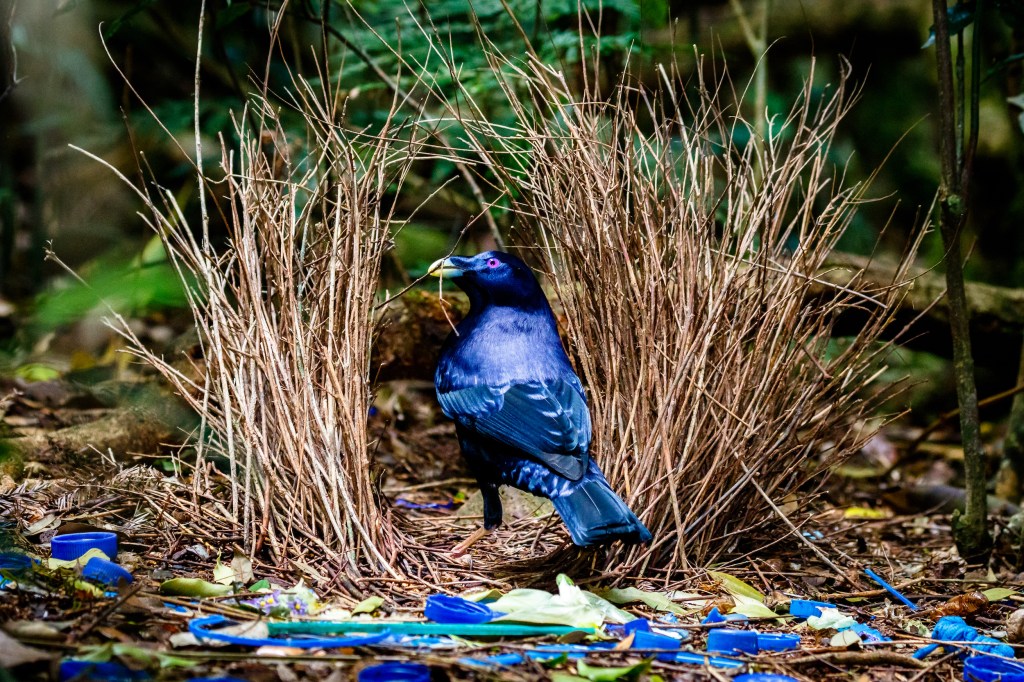
In Kakadu, there are thousands of plant species, over 280 birds, 60 mammals, 60 fish, 75 reptiles, 25 amphibians, and more. Australia is lined with wet tropics around the North Central Coast and Southwest Coast near Perth, but the rest–the middle–is mostly arid sandstone and dunes. 90% of Australians live within 50 kilometers of the coast, most people living in the east and southeast, but there are Australians living in the desert in the center of the continent. Many plants have adapted to live in the middle, providing animals and people with different living essentials. A cherished tree by the Aboriginal people was the allosyncarpia ternata. This tree was useful in many ways: people sheltered underneath it, ate its honey, used the wood to make fighting sticks, and stripped its bark to heal sores. Fig trees have rubber-like roots that can grow from steep cliffs, providing fruit and a place to rest and nest for many birds. The Darwin Woolybutt, a beautiful tree with orange flowers, and the Swamp Bloodwood, a tree with deep pink flowers, provide food for lorikeets and honeyeaters, two of Australia’s main bird families. The Bowerbird builds nests on the ground with twigs and grasses, decorating them with bones and shells, while displaying aggressive behavior and deep hissing to attract mates and scare away rivals. Some of Australia’s main mammals are the spiny anteater, wallabies, marsupial hunters, and the Asian dog. These unique plants and animals demonstrate how life has adapted to thrive across Australia’s challenging landscapes, forming an interconnected ecosystem where plants and animals rely on one another to survive.
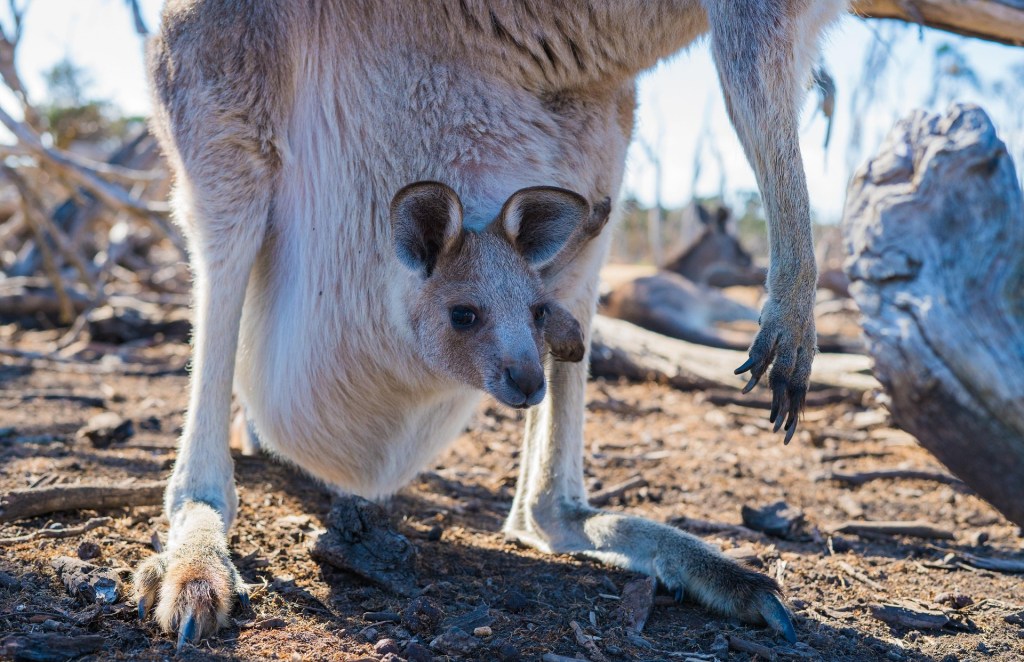
Nearly 50% of Australia’s land has remained untouched by humans, but Australia’s government is funding conservation with less money than countries that are majorly industrialized are. Australia has the highest mammalian extinction rate in the world, with habitat loss, poor land management, and imbalanced food chains caused in part by the introduction of farm animals that compete with wild ones. More funding will always help, but the lack of funding is really a sign of a lack of effort. A lot of these issues could have been and still could be minimized or eliminated if conservation was higher on the totem pole. Australia has goals set in place, and 95% of Australians surveyed supported increased environmental spending. What matters is that these goals are met and that government officials follow through and do what the people want. The challenges facing Australia demonstrate how difficult conservation becomes when habitat loss, invasive species, and environmental policy intersect. While Australia’s section focused heavily on landscapes and adaptation, North America’s chapter shifted toward modern conservation efforts and the practical challenges of protecting wildlife in a developed world.
North America
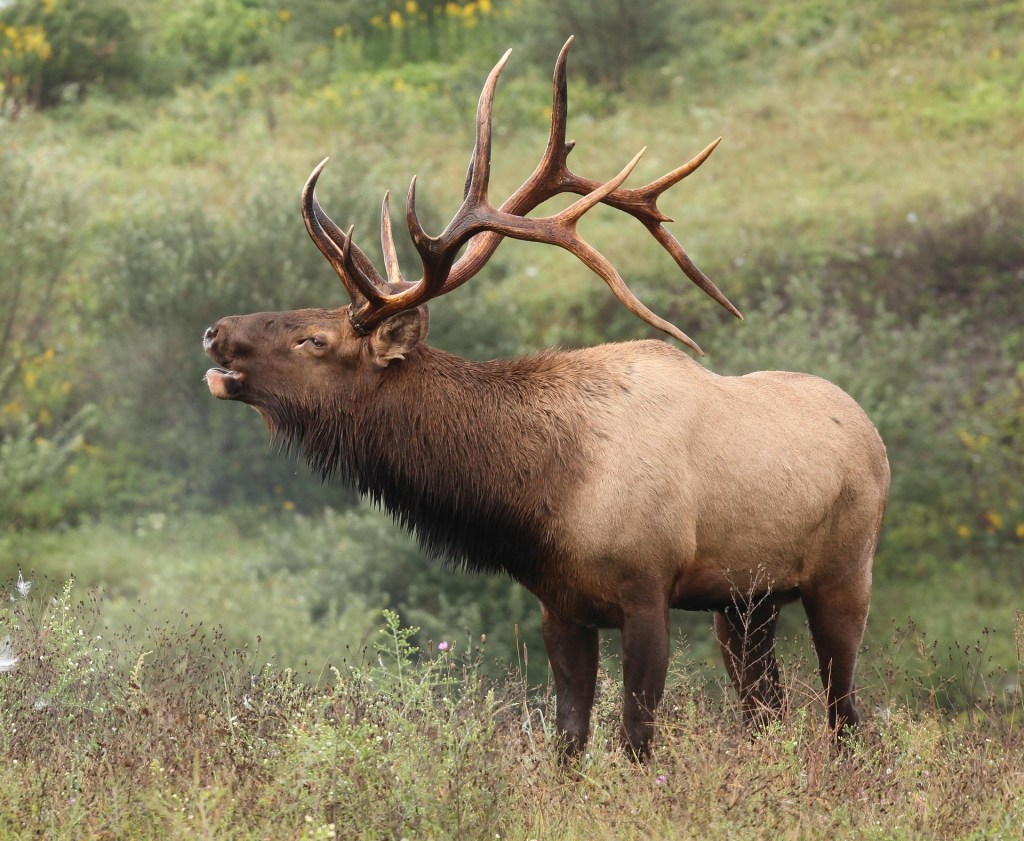
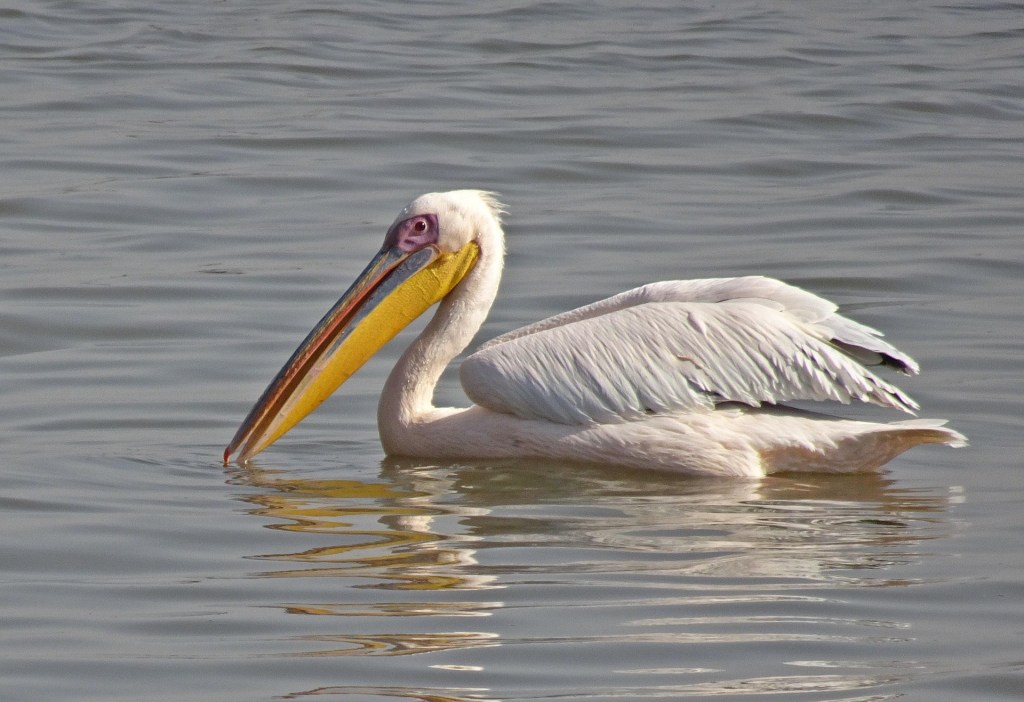
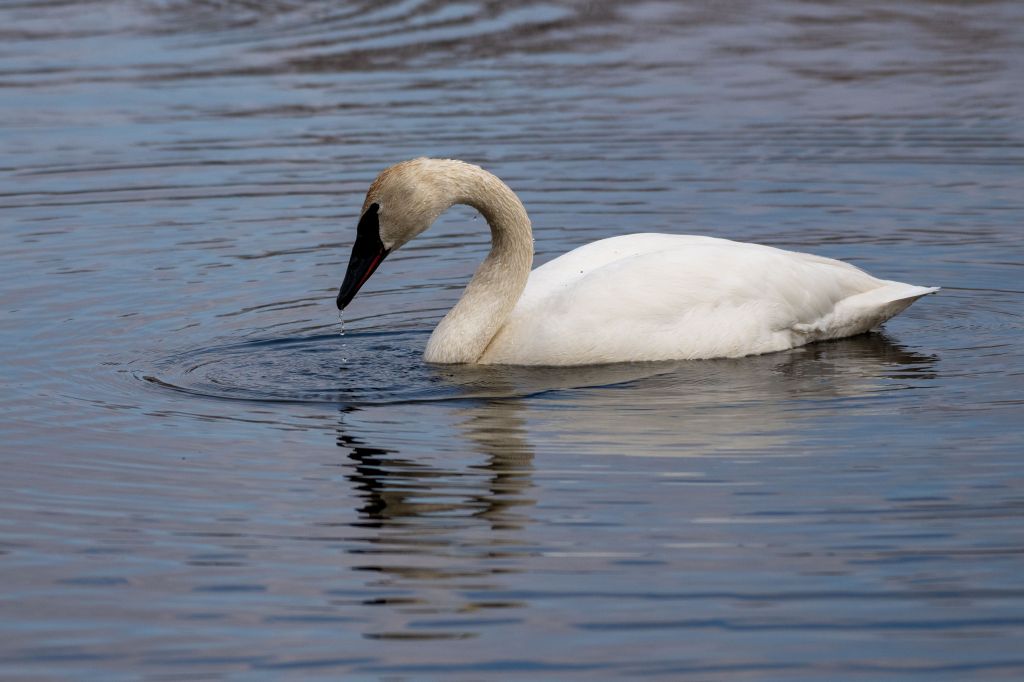
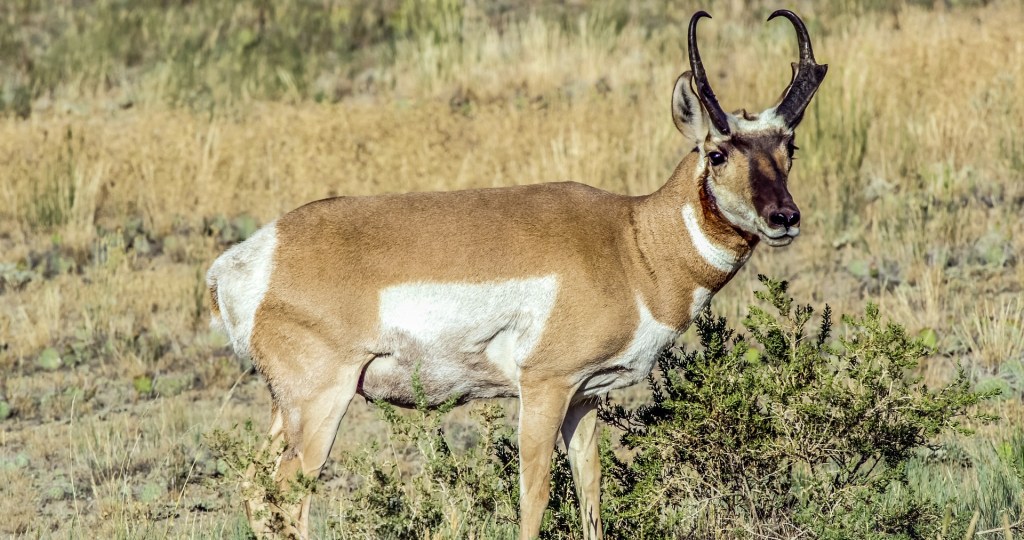
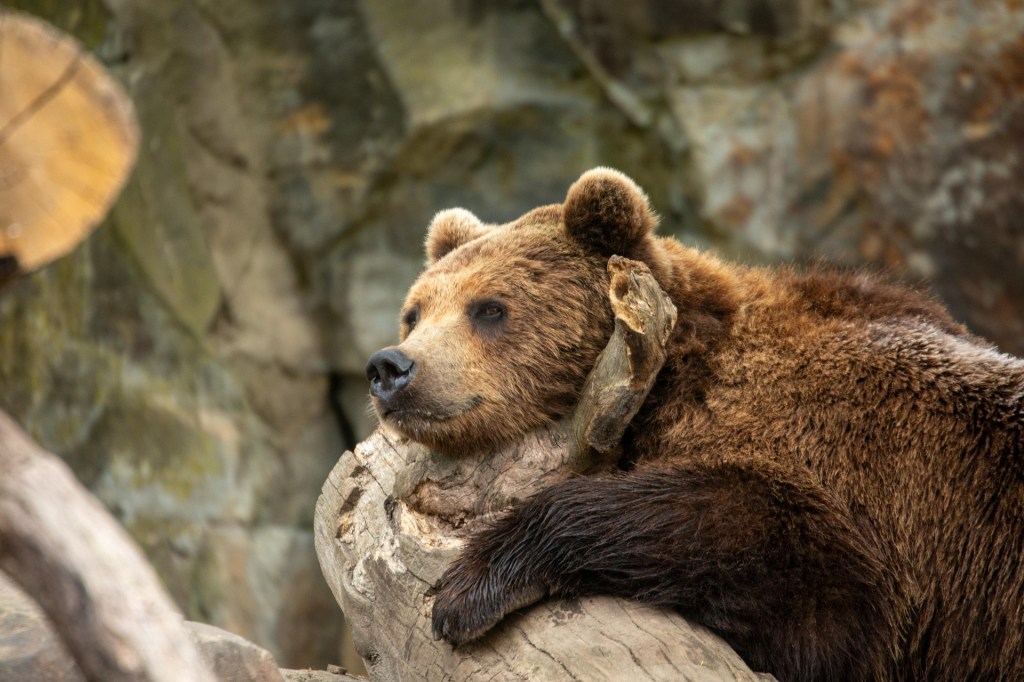
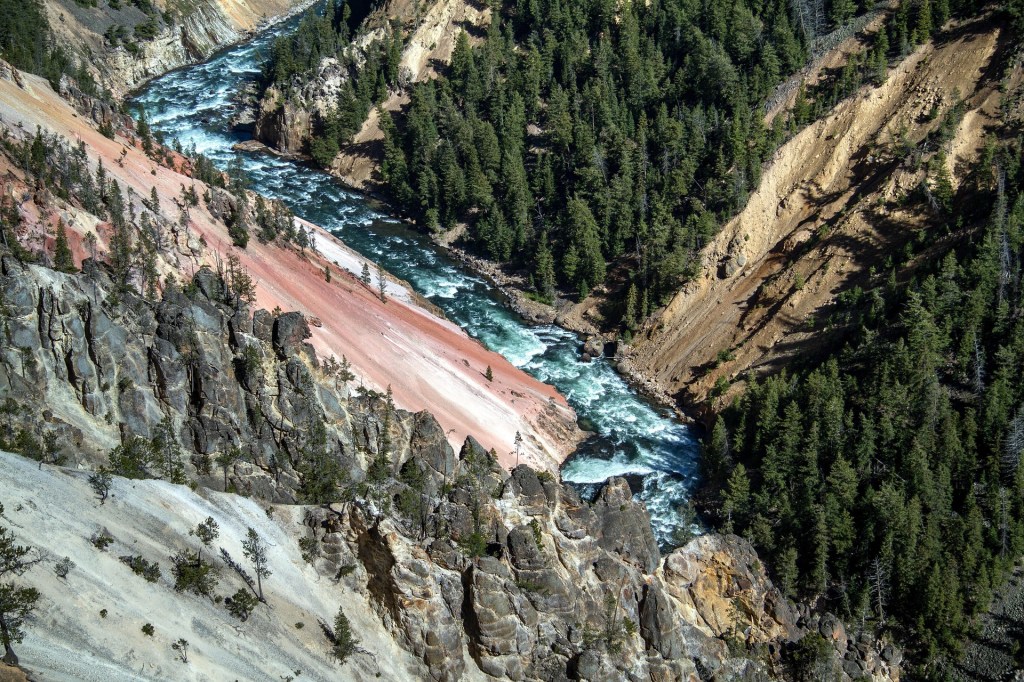
Kenneth Brower’s section on North America was exciting, as he wrote about real-life conservation stories as well as possible solutions for modern-day conservation issues. The majority of this section covers Yellowstone National Park and he begins by telling the reader about a few species that live in this massive ecosystem. The Kings of the Mammoth are the dominant bull elk that rule Mammoth Hot Springs in Yellowstone National Park. These elk are the most abundant mammal in Yellowstone and play a vital role in the food chain, also attracting millions of tourists hoping to see tens of thousands of these enormous ungulates herding together. Two large white birds live in Yellowstone: the American white pelican and the trumpeter swan. The pronghorn antelope roams around Yellowstone, though incredibly fast, as it is the fastest terrestrial animal in North America, running up to 60 miles per hour. Of course, Yellowstone is home to the grizzly bear, the largest land carnivore on Earth. Moose, cougars, bighorn sheep, golden eagles, and wolves, are a few other Yellowstone animals.
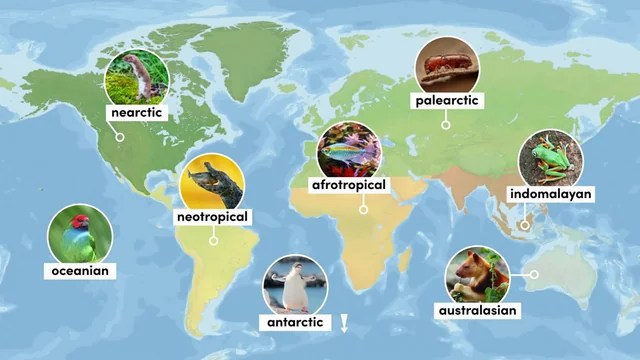
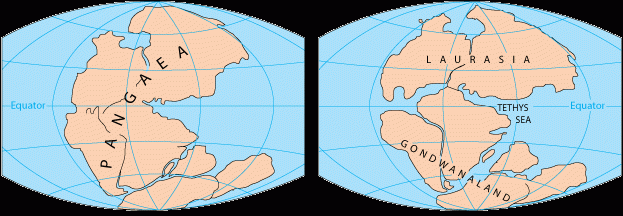
Yellowstone is the first ever National Park in North America, residing in the Nearctic region, which combines North America and Greenland. In this region, there are over two-thousand official parks and sanctuaries. I had never heard of the Nearctic region or the biogeographic realms, and I enjoyed that Brower explained what these are. There are eight biogeographic realms on Earth: the Nearctic, Palearctic, Afrotropical, Indomalayan, Australasian, Neotropical, Oceanian, and the Antarctic. The realms are divided based on two main reasons:
- Continental Drift – when Pangea split, it broke into Laurasia (North) and Gondwana (South).
- The Nearctic and Palearctic realm formed most of Laurasia, which is why their wildlife is similar, with bears, deer, and wolves.
- The Neotropical, Afrotropical, and Australasian realms were once part of Gondwana.
- Physical Barriers – oceans, massive mountain ranges, and harsh deserts created very natural barriers between realms.
- The Himalayas help separate the Indomalayan realm from the Palearctic realm.
- The Sahara Desert helps separate the Palearctic realm from the Afrotropical realm.
While this all has little to do with Yellowstone or North America’s sanctuaries in general, I found this to be interesting, and I was surprised that I had never heard of these realms before.
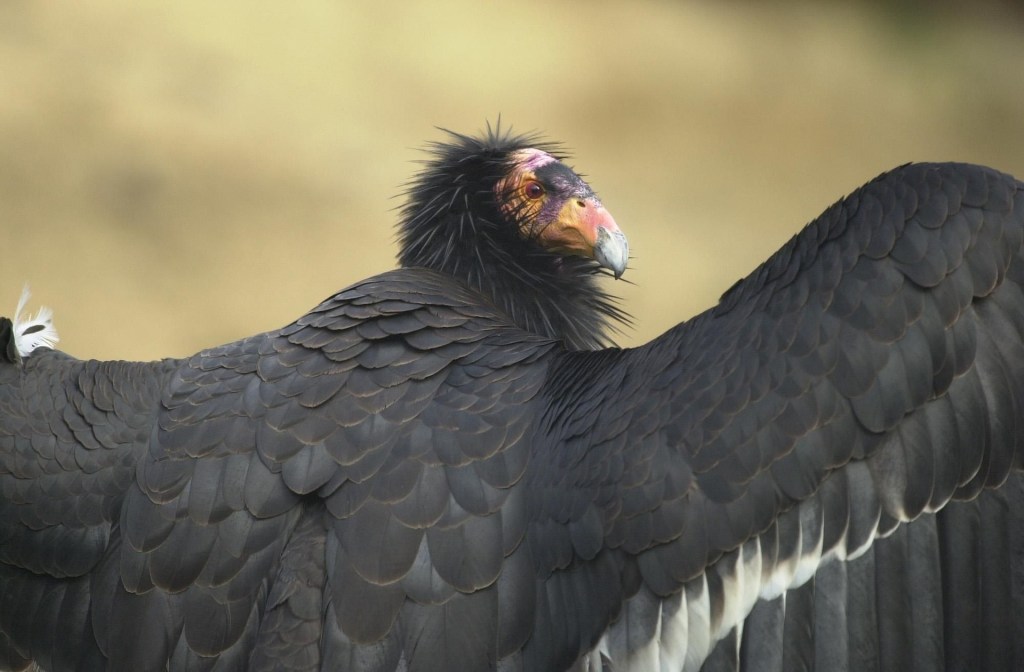
The California condor, the largest North American land bird, sparked a powerful and enraging conversation about conservation. In 1982, only 22 California Condors remained in the wild, leading them to, in 1987, capture the last wild condor. Only 27 condors were in captivity, but breeding efforts started working. In 2019, the wild population of California Condors reached 302, thanks to the Big Sur Condor Sanctuary. When resorting to captive breeding, the training of survival skills for the animals is majorly influential on their survival. Those who helped breed and release the condors did an incredible job and the birds were ready to succeed in the wild. Unfortunately, this 302 has since fallen to 94 because many of the condors have died from lead-poisoning. They feed exclusively on carcasses and lead ammunition has been their greatest threat in the wild. The California condor team is working tirelessly, trying to teach locals the importance of simply using alternative ammunition. They are providing non-lead contaminated food sources to the condors, tracking the birds to find and treat them if they eat contaminated food, and working with ranchers in the region to save as many lives as they can. The condor’s story highlights how conservation issues often receive far less public attention than they deserve. Conservationists state that reducing or eliminating lead ammunition would be one of the most effective ways to protect condors and other scavengers. The lead that has impacted hundreds of condors has also impacted humans by contaminating water and meat sources. The condors are not the only species suffering from lead poisoning. Other animals, like bald eagles, vultures, owls, hawks, bears, wolves, humans, are suffering too. The challenge now is ensuring that more people understand the consequences of lead contamination. Choosing lead ammunition, knowing its likelihood of causing harm, is selfish and should be unacceptable. No life is more or less valuable than another and we have to end the entitlement that we deserve certain products despite its effect on other people or animals’ lives.
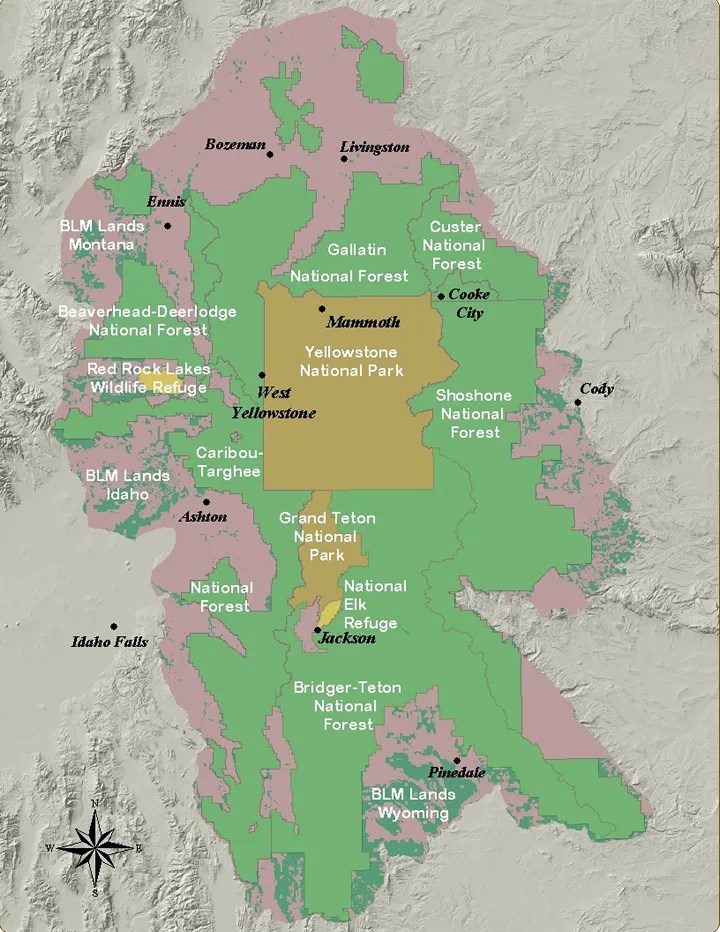
The final topic Brower discussed was the Greater Yellowstone Ecosystem. Yellowstone National Park is at the core of this massive habitat, which exists within one of the last intact major temperate ecosystems on Earth. While Yellowstone National Park houses different species, in reality, the animals roam across the entire ecosystem. Huge animal migrations and free-roaming animals move all around this range, keeping the land and themselves healthy. But these wide stretches of connected habitats are under threat from fragmentation and deterioration. Fences, trails, and roads fragment wildlife’s habitats, leaving lethal or impassable barriers to movement. While roads and infrastructure provide benefits to people, they create significant obstacles for wildlife. Many different conservation organizations are advocating for wildlife crossings. In Yellowstone, the most prevalent animal population is ungulates, leading to many wildlife-vehicle collisions. Simply building underpasses or overpasses, with fences that funnel wildlife towards the crossings, can greatly reduce deadly collisions, keeping animals and humans safe. The fencing within the parks also needs to be wildlife-friendly, or better yet, completely removed. Too many animals are injured or die due to fences used to mark people’s private properties and contain livestock. Projects like wildlife crossings demonstrate that human development and wildlife conservation can not be opposing goals.
South America
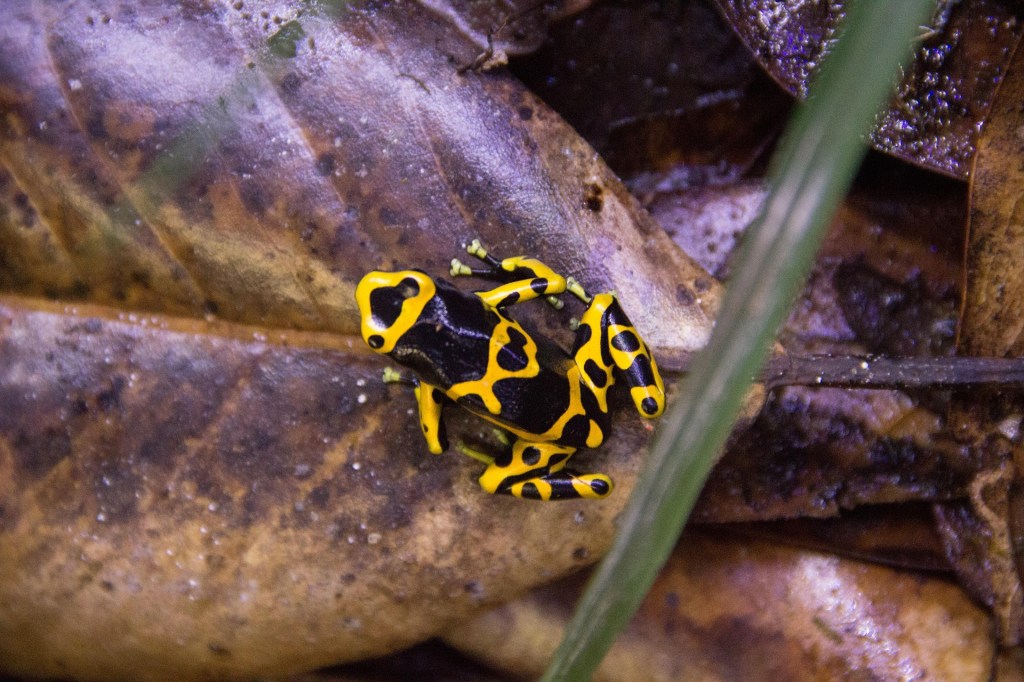
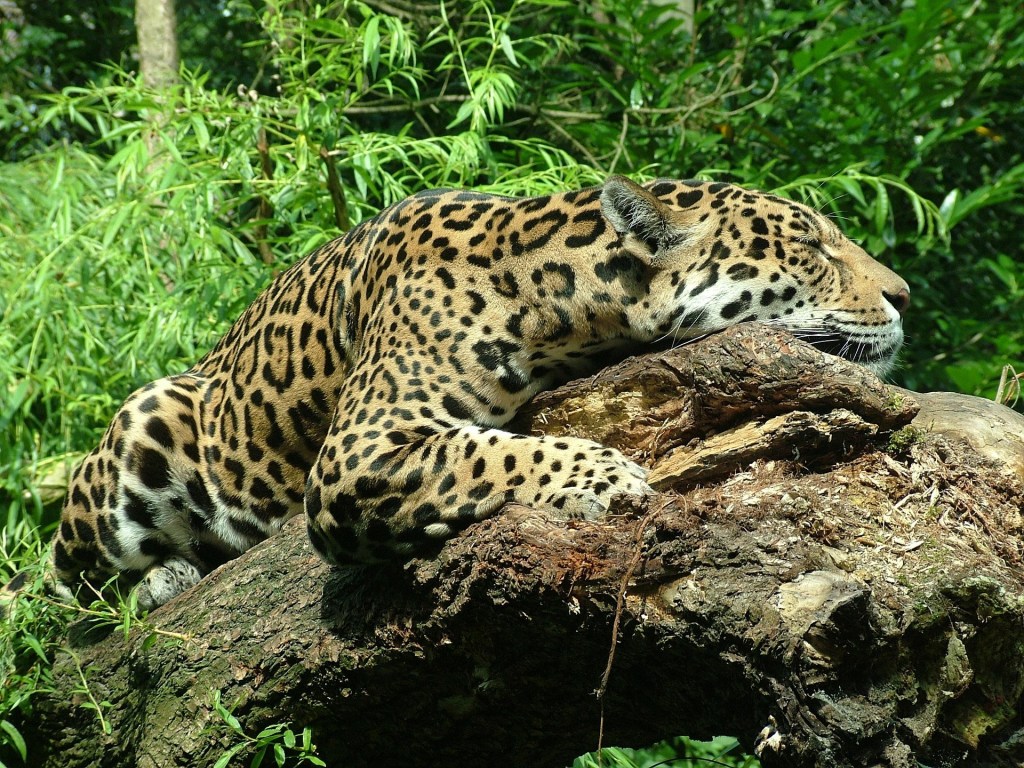
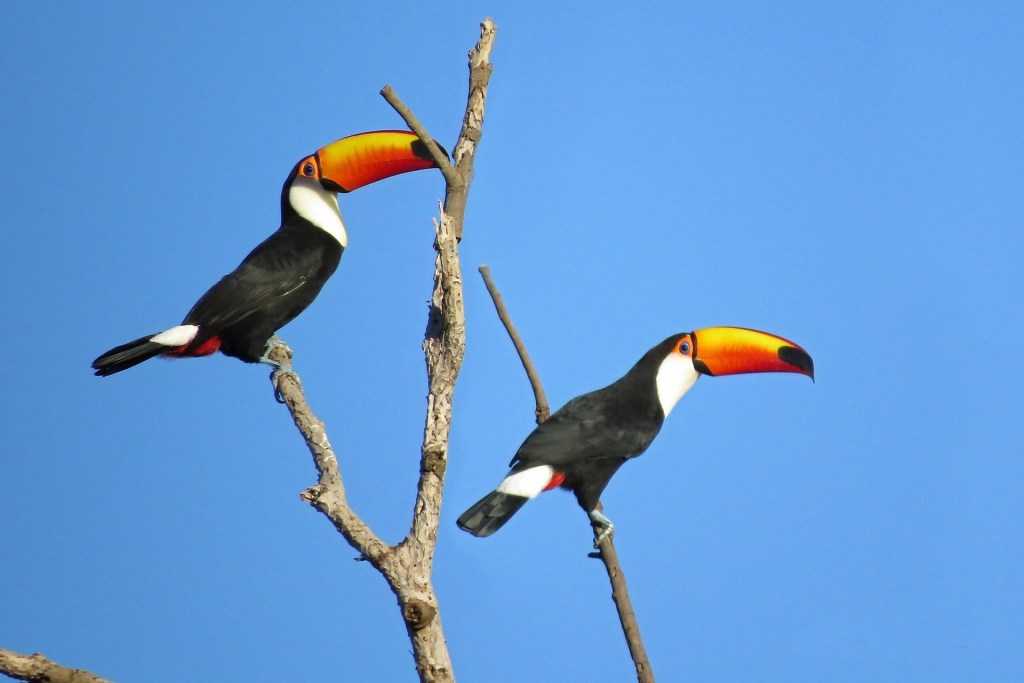
The final section of Animal Kingdoms: Wildlife Sanctuaries of the World was South America, written by Tom Melham. As expected, the first sanctuary covered was the Amazon Rainforest – the largest tropical rainforest in the world with the greatest biodiversity. South America is home to jaguars, 30-foot-long snakes, hand-sized spiders, a diverse collection of crocodiles, the world’s largest eagle and largest rodent, the world’s smallest deer, myriad monkeys, bright-colored frogs, electric eels, humpless camels, Earth’s only marine lizard, Earth’s only aquatic marsupial, massive turtles and tortoises, and of course, so, so much more. South America has the largest populations of birds, insects, amphibians, reptiles, fish, and plants, and also, the strongest waterway, the driest desert, and the longest continuous mountain range. It is safe to say that the biodiversity here is so beautiful and so vast, solidifying the importance of this continent and its parks and reserves. The Amazon Rainforest alone holds over 150 billion metric tons of carbon in its trees, plants, and soil. Around 17% of the forest has been deforested and about one-third has been degraded, largely due to effects from extreme drought. Energy and transportation infrastructure are essential, but are often developed without nature in mind, causing great damage to ecosystems, including the Amazon. New roads expose once inaccessible areas to logging, illegal settlement, and agricultural expansion. Furthermore, hydropower is utilized to meet the region’s energy demand, but far too many dams are being built in areas of high conservation value, disrupting river connectivity and blocking the range of many aquatic species. Agricultural expansion is another contributor impacting the health of the Amazon. With a global demand for beef, more of the forest is being converted into cattle farms, causing deforestation in the Amazon and contamination of rivers due to pasture runoff. Additionally, the fires used to manage fields worsen the climate crisis by spreading to nearby forests and emitting tons of carbon. Few places on Earth illustrate the interconnectedness of people, biodiversity, and climate as clearly as the Amazon Rainforest.
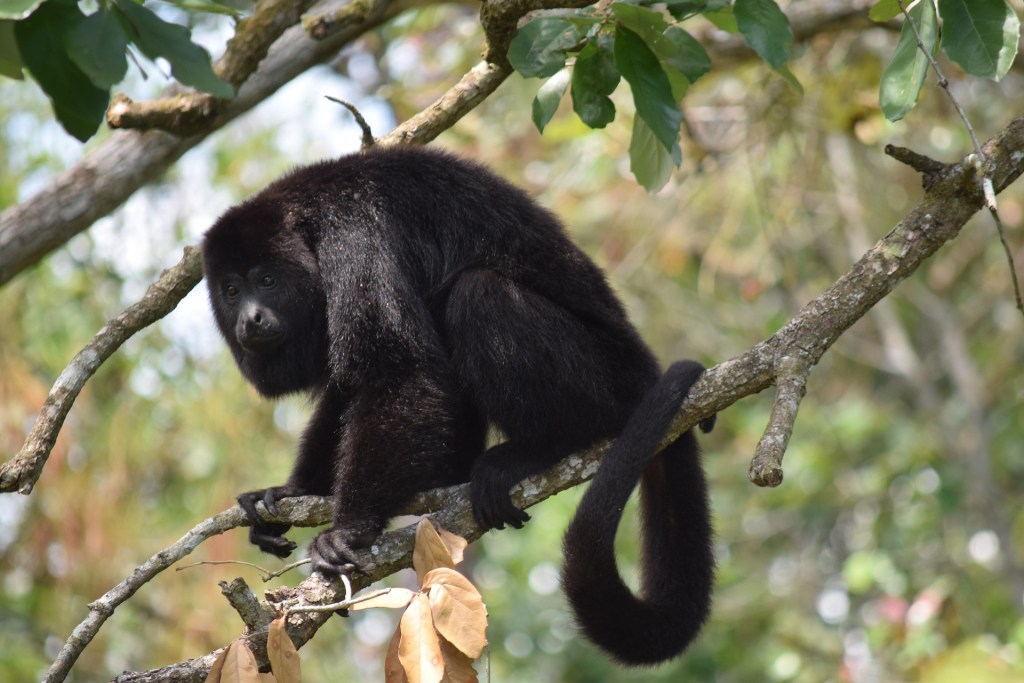
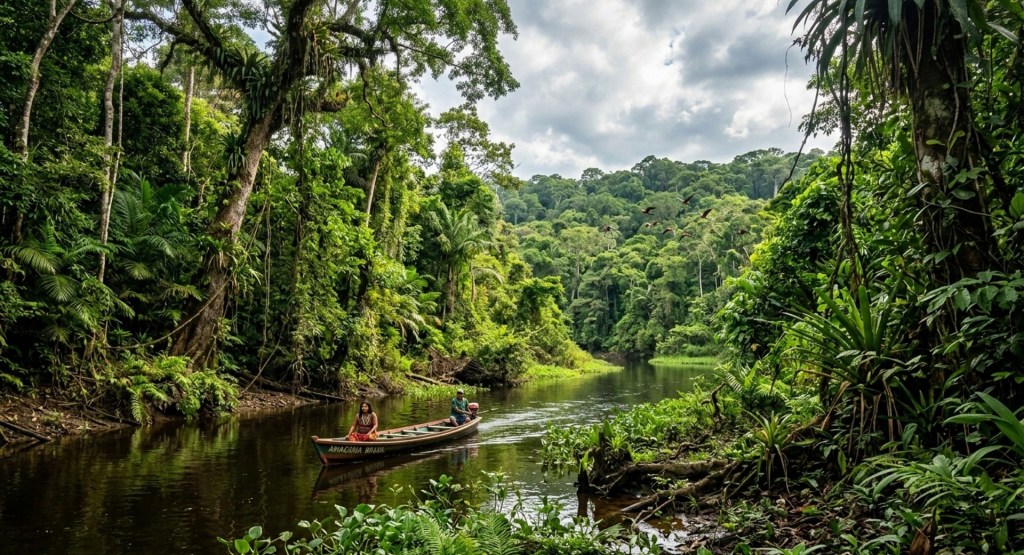
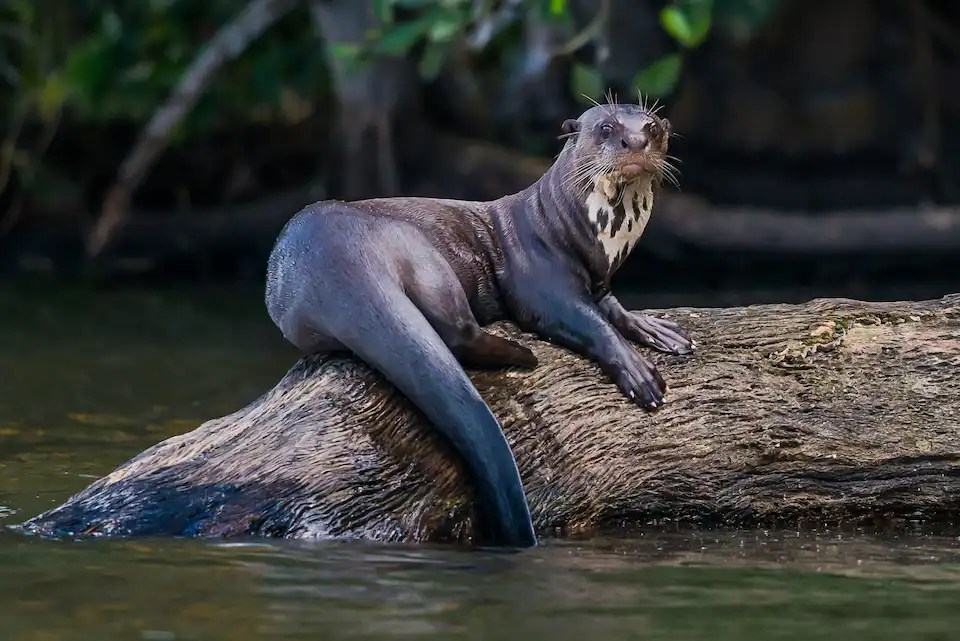
Located within the Peruvian Amazon Rainforest, the Manú Biosphere Reserve stands as one of the most biodiverse regions of this massive ecosystem. Because this reserve is so vital – holding over 5,000 plant species and more than 2,000 animal species – access is strictly limited, requiring a-day-and-a-half bus ride to a river followed by a full-day canoe journey. More than 14 different primate species inhabit Manú, and occasionally, these distinct families will join together, swing through the canopy, and rip down branches while making noise to increase their survival odds against a nearby big cat. Just three of these primates possess prehensile tails, which act as a fifth hand, to help them swing through the trees with ease. This ecosystem is also home to giant otters, which can measure up to 6 feet long, weigh around 70 pounds, and consume 10 pounds of fish a day. The landscape of this reserve is incredibly diverse, seamlessly transitioning from the cold, dry, arid plateaus of the puna to mostly cloud and elfin forests, and finally down to the lowland rainforests. The variety within this subsection of the Amazon offers enough ecological complexity to fuel months of scientific research on just this single reserve. Reading about Manú reminded me how much biodiversity can still exist within a relatively small area when ecosystems remain intact.
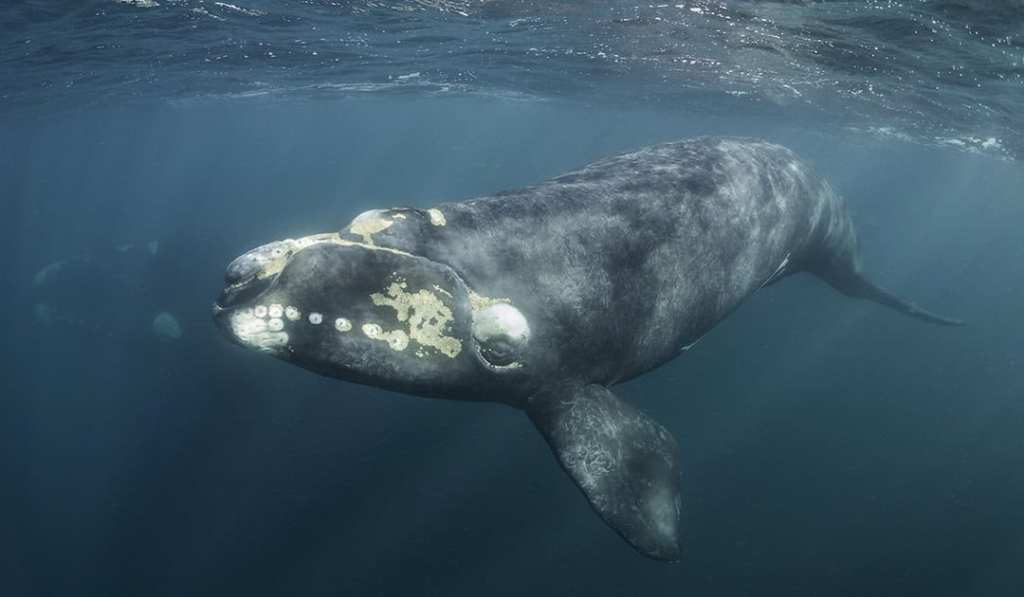
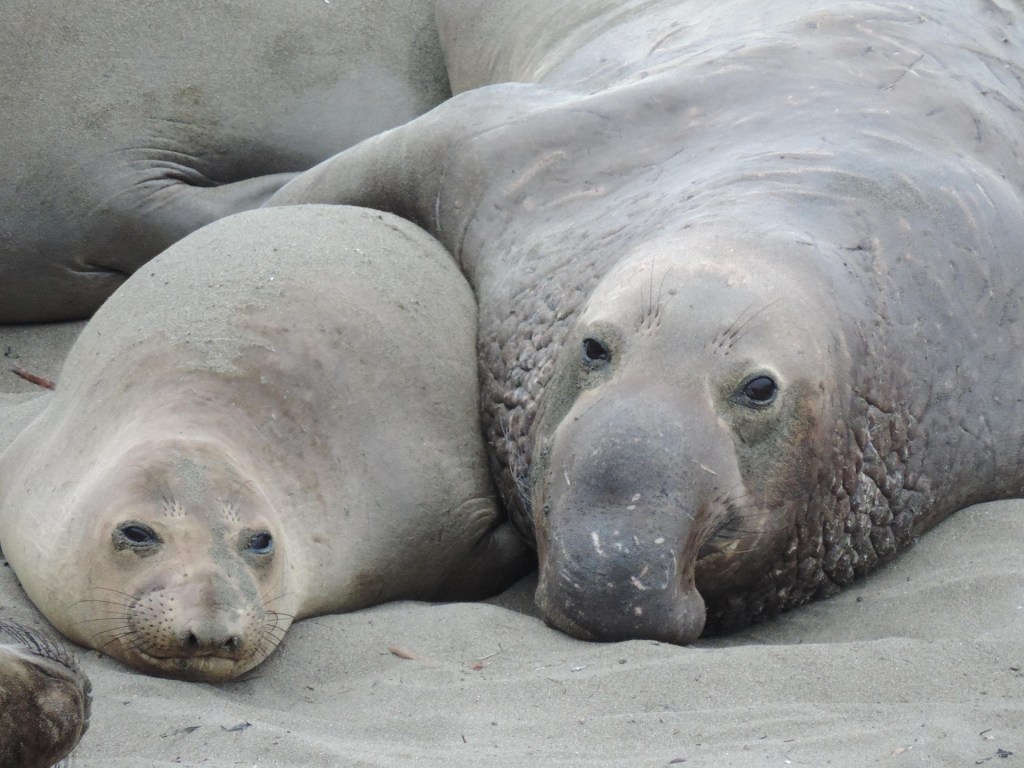
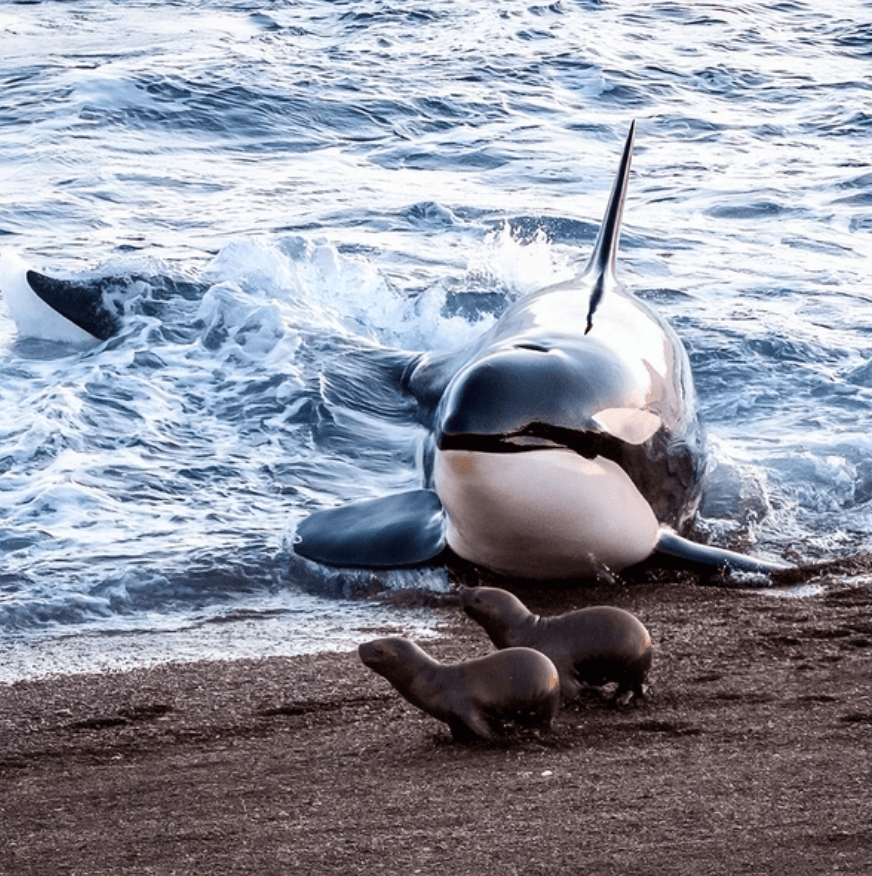
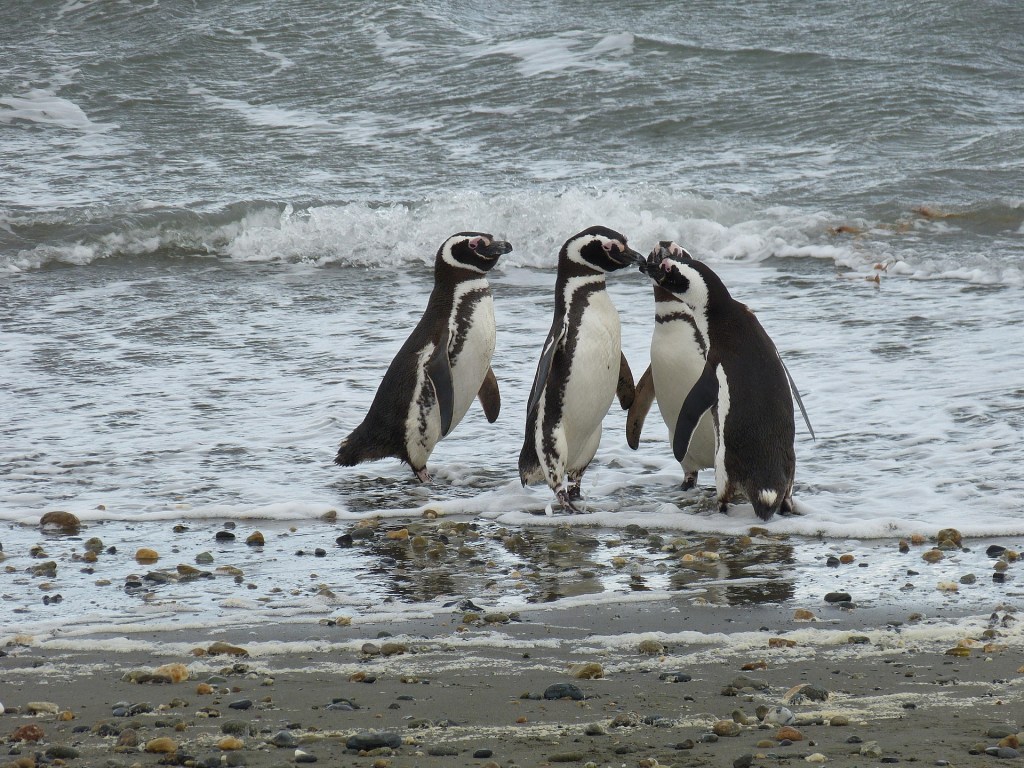
The Argentina Valdés Peninsula is home to breeding populations of the endangered southern right whale, the southern elephant seal, and the southern sea lion. The right whale was close to extinction when whaling was at its peak, making them a headline attraction. An orca pod of around 25 live here full time and can be seen purposefully beaching themselves to hunt seals, a technique only two orca pods in the world have been reported doing. Magellanic penguins migrate to this peninsula to breed and over 180 other bird species migrate to this site throughout the year. Because of its exceptional marine biodiversity and critical role in protecting these species, the region was designated as a UNESCO World Heritage site in 1999. Today, it remains one of the most valuable and protected wildlife viewing areas on the planet. While the Valdés Peninsula demonstrates the importance of protecting marine ecosystems, the Galápagos Islands offer one of the most famous examples of how human activity can rapidly reshape an isolated environment.
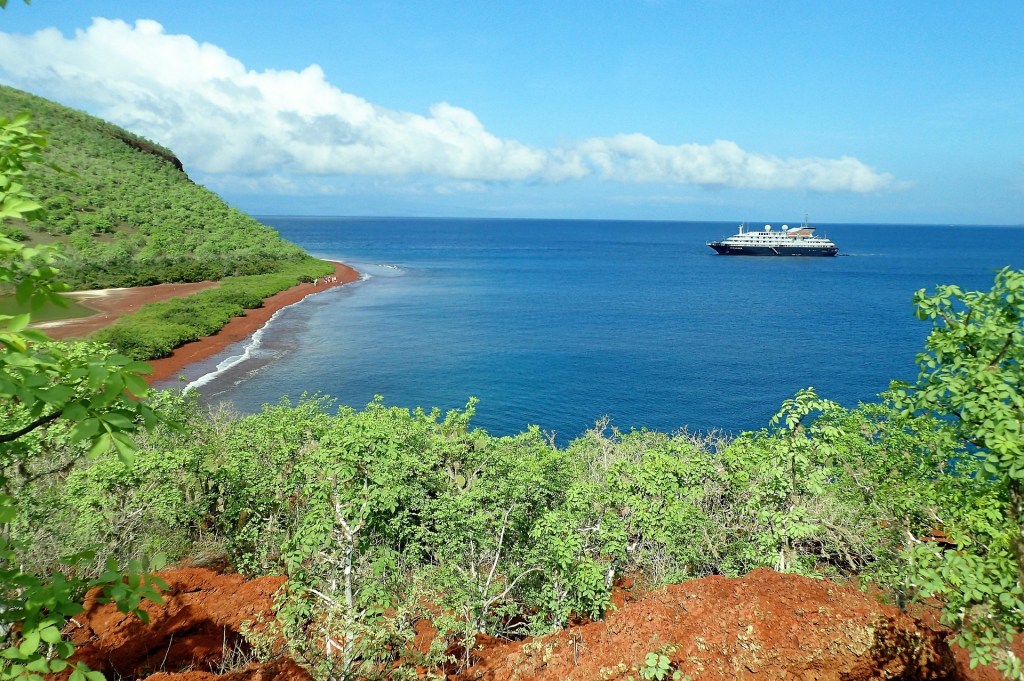
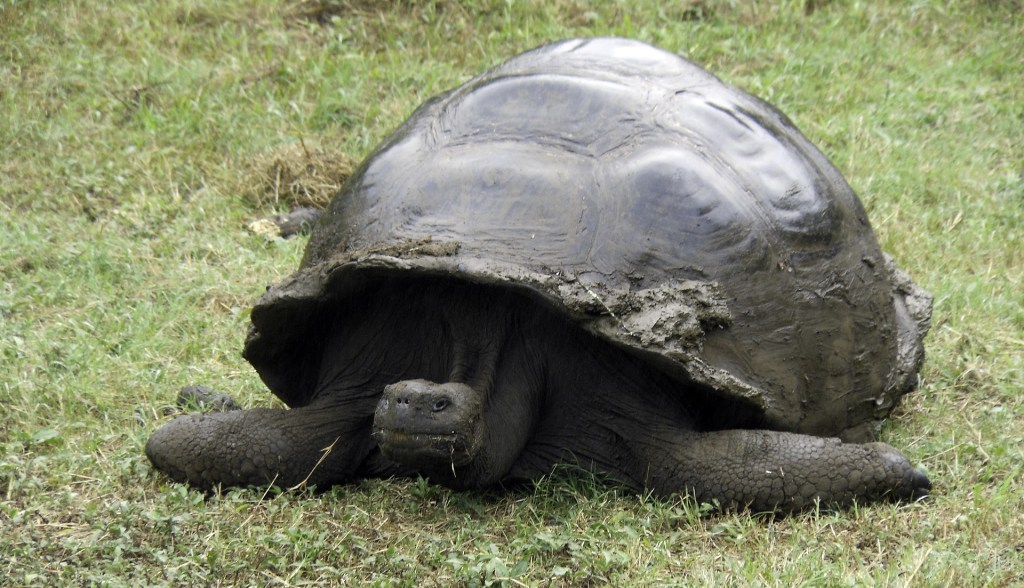
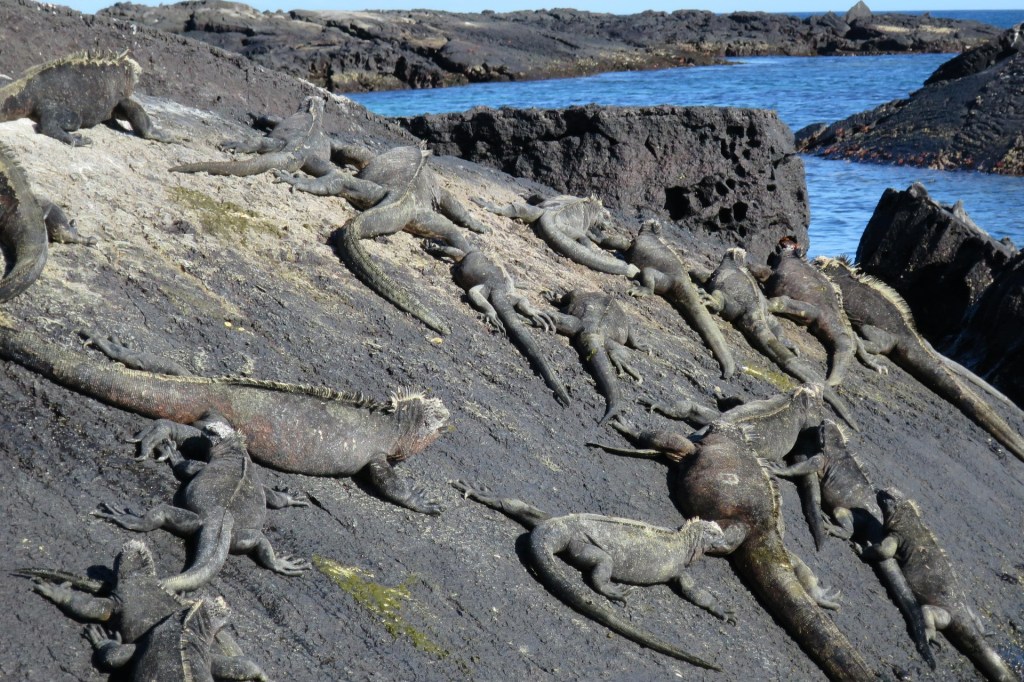
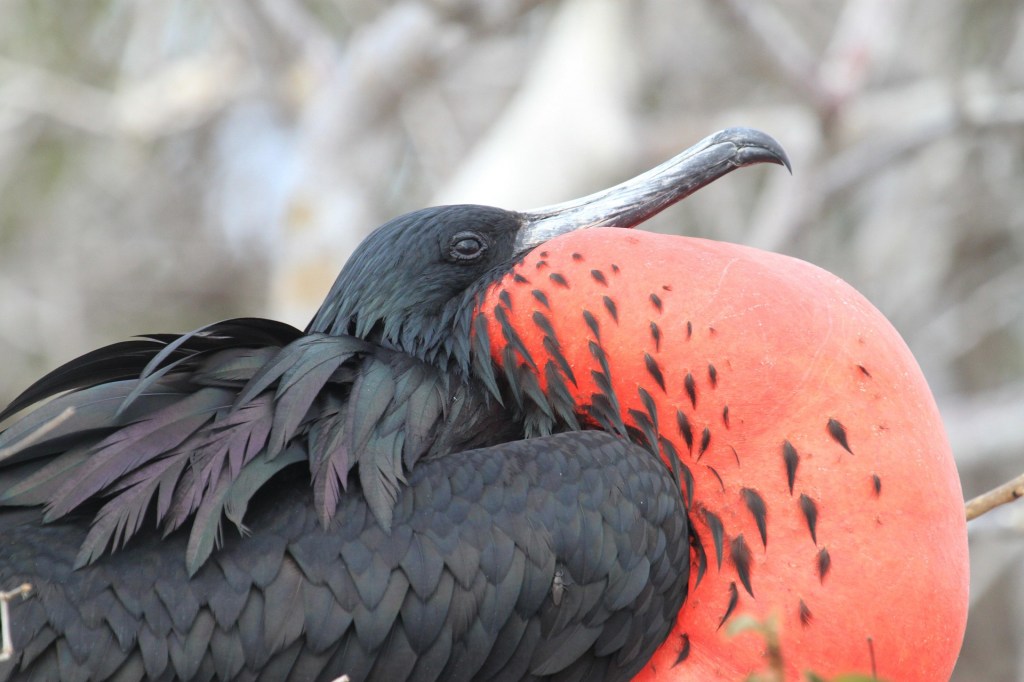
A well-known national park in South America is The Galápagos Islands, home of the iconic Galápagos tortoise. These islands also include marine iguanas, penguins, sea lions, leatherback turtles, and 58 native bird species. The Galápagos tortoise had a rough start with humans when they were discovered. In the 1700s, British whalers were seeking new whaling grounds. These islands were deemed a great site for whaling, leading to the development of an industry remaining in this area until the end of the 19th century. These whalers considered the Galápagos tortoise “the most delicious thing they had ever tasted”, resulting in an estimated 20,000 tortoises being taken or killed for food. Their ability to survive for long periods of time without food or water was the main characteristic that led the whalers to load giant tortoises onto their ships to supply themselves with meat for long journeys. It has been reported that for a 4-day voyage, the whalers would take 14 tons of tortoises at a time, which equates to about 100–140 tortoises. Following this disaster, in the 19th century, human settlement began on the islands, bringing danger. Goats, pigs, rats, and other farm animals were released to roam free. Goat populations exploded, devastating the natural environment, turning the forests into barren grasslands, leaving little for the tortoises to eat. In 1959, the establishment of the Galápagos National Park became Ecuador’s first national park, with 97% of the land being protected. In 1974, only 14 wild tortoises remained, but thankfully, the Charles Darwin Research Station (CDRS) collected the remaining tortoises to a breeding center. The goats were removed and by 2007, 1,750 tortoises were repatriated to the island. The story of the Galápagos tortoise demonstrates both how much damage humans can cause and how much recovery is possible when long-term conservation efforts succeed. I hope to travel to as many continents as possible, but thanks to this National Geographic book, South America has jumped to the top of my list. After reading about conservation projects across several continents, South America felt like a culmination of many themes that had appeared throughout the book: biodiversity, habitat loss, restoration, and the relationship between people and nature.
Antarctica
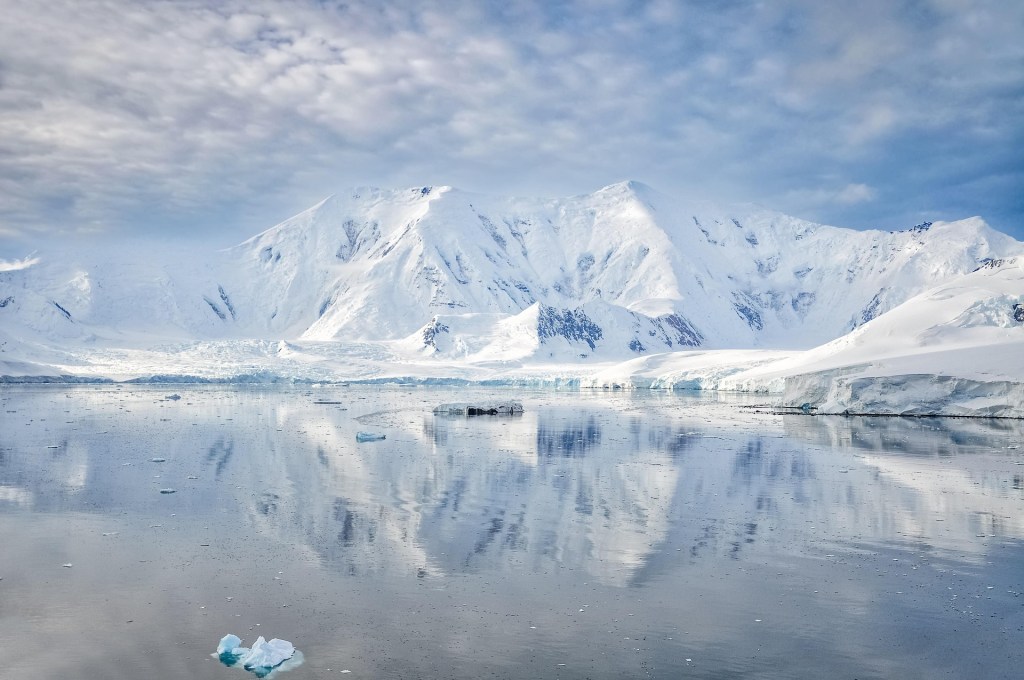
Animal Kingdoms: Wildlife Sanctuaries of the World did not have a chapter exploring Antarctica, but this freezing cold continent is significant and fascinating, so I have researched Antarctica a tiny bit for this blog to feel more complete. Antarctica is crucial for our survival, deflecting some of the sun’s rays from the Earth, keeping temperatures stable and livable. Even small-scale warming would cause the sea level to rise, resulting in flooding all around the world. Antarctica supports a variety of sea life – including 15 whale and dolphin species, 5 penguin species, and seals. Antarctica is a landmass covered with ice, is larger than Europe, and is surrounded by the sea. This continent is the highest, driest, and coldest place on Earth; its record low temperature reaching -137°F. Surprisingly, it hardly snows here and is classified as a polar desert. Although only 5,000 scientists are based here and 30,000 tourists visit annually, Antarctica is increasingly vulnerable due to global warming.
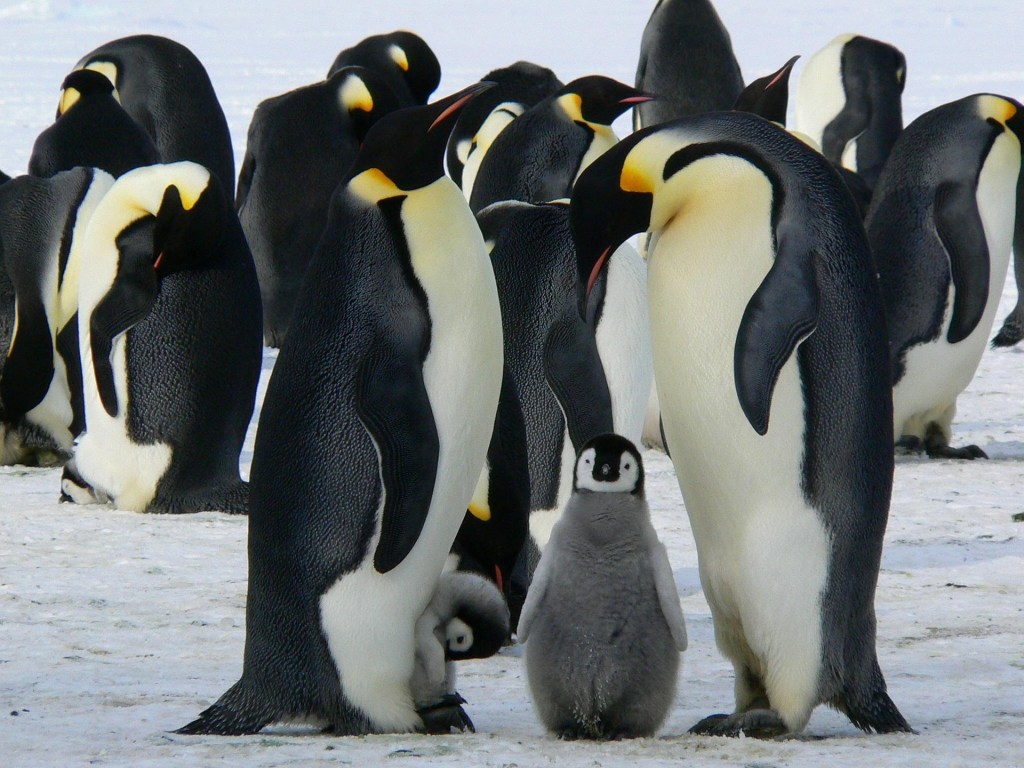
In April of 2026, the International Union for the Conservation of Nature (IUCN) classified emperor penguins as ‘Endangered’, meaning these icons are facing a high risk of extinction in the wild. Sea ice is hugely important to the penguins’ livelihood, providing them with a resting platform between dives and a perfectly placed habitat for preying on krill. Emperors breed during the harshest part of winter and both males and females are responsible for parenting. The male incubates the egg while the female feeds and once she returns to feed the newly hatched chick, the male heads off to find more food. The parents continue taking turns caring for their young and venturing off for food for up to 5 months until the chick is on their own, intentionally timed for the young penguin to hunt alone during the late summer when food is most plentiful. Unfortunately, sea ice levels have been record-low for 4 years in a row since 2022, leading to ice break up and unprecedented rates of chick mortality. Newborn chicks must shed their fuzziness down and grow waterproof feathers before they can enter the ocean. Each year afterwards, penguins continue to molt and then regrow new waterproof feathers, causing a season every year when they cannot swim out to hunt. But, when the sea ice breaks up before the chicks and adult penguins finish molting, they are forced into the ocean without their waterproof feathers, facing exhaustion, hypothermia, and increased risk from predators. Between 2020 and 2024, Antarctica has lost approximately 23,000 emperor penguins, around 32% of the population. There are great scientists doing groundbreaking work, studying both emperor penguins and climate change, advocating for further protection of these penguins. The WWF is also working hard to reduce human carbon emissions, pushing for stronger climate ambition globally as the fate of the penguins, and all species, rely on us. If people choose not to care for the 23,000 lives lost due to climate change, I hope that people can put two and two together and recognize that if penguins are facing such sudden and catastrophic mortality, humans will soon start facing the same. We all live on the same warming earth and we are not immune to disaster.
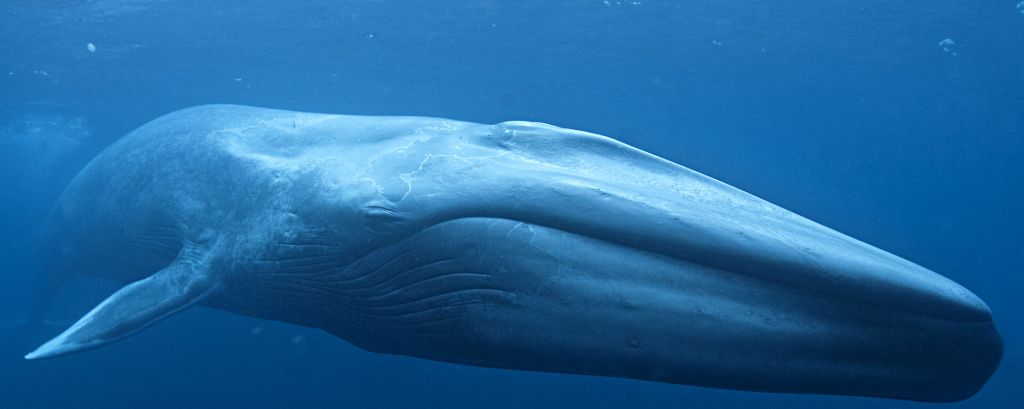
While the news regarding the emperor penguins is disheartening, there are positive changes happening in Antarctica. There are two major success stories I enjoyed learning about and feel are worthwhile mentions. The Antarctic blue whale is the largest animal on the planet, has a heart comparable in size to a small car, eats nearly 8,000 pounds of krill a day, and is the loudest animal on Earth. From 125,000 blue whales in 1926, their numbers plummeted to just 3,000 in 2018, due to aggressive whaling and illegal hunting. In 2020, a team of scientists reported great news following an expedition to the sub-Antarctic island of South Georgia, where the whaling of the Antarctic blue whale began. Between 1998 and 2019, surveys in this area recorded only a single blue whale sighting. But in this 2020 survey, 55 Antarctic blue whales were spotted, confirming that South Georgia waters remain an important feeding ground and proving that protecting blue whales and other whale species is a worthwhile project that must remain as a top priority.
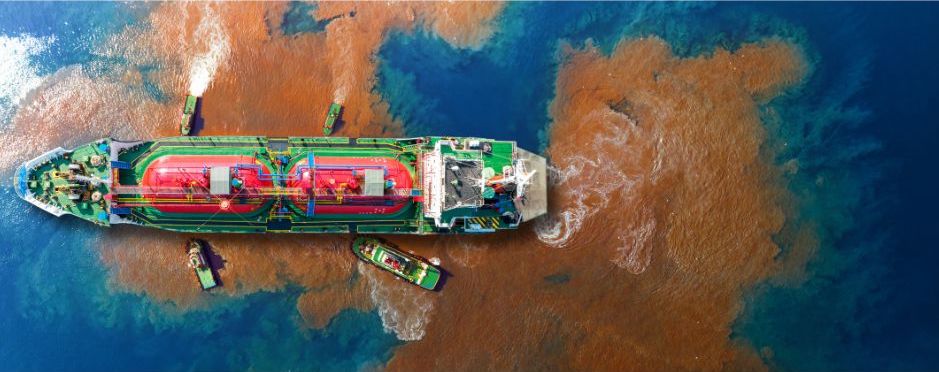
The second success story dates back to 2011, but is important to mention as it has been a tremendous help to the Antarctic environment. Hopefully, if this is ever reopened for discussion, you will have more knowledge and motivation to vote against such disastrous behavior. Heavy fuel oil (HFO) is a sticky and slow-to-degrade fuel source used to power ship engines. HFOs are toxic and pose a significant threat to Antarctic wildlife and the environment. In the early 2000s, more ships were visiting Antarctica than ever before and HFO spill cleanup would be costly, complex, and likely impossible, causing irreversible damage. Over seven years, the Antarctic and Southern Ocean Coalition fought to ban heavy-grade fuel oils and discharges of oily substances into waters. Finally, in 2011, the HFO ban took effect, protecting the vulnerable waters of the Southern Ocean from the threat of HFO pollution. There are so many great people and organizations in this world who are working as hard as they can to fight for the protection of the natural world and all that lives in it. The land animals, sea creatures, flying critters, and everything in between, including humans. These efforts prove that positive change is always possible, ensuring that the beauty and life on Antarctica and the rest of our world will endure for years to come. Stories like this show that meaningful and environmental protections are possible when governments and organizations work together over long periods of time. The task now is to ensure that successes like these become the foundation for future conservation efforts rather than isolated victories.
My Final Thoughts
If you have made it all the way through this blog, I love you. This piece of writing has been one of my favorite personal projects even though it turned out much longer than expected. My original plan for this blog post was completely different from where it ended up. I wanted to breeze through the National Geographic book, share my notes on a whale book I read, and call it there. I never planned on doing additional research, yet that dive down the rabbit hole ended up being one of the best parts of the process. I am proud of how this piece came together and surprised by how much I had to say – and how much more I still have to say in part two.
My main priority when writing is to love the process and exercise my mind through this hobby. But my secondary goal is to leave you with knowledge, inspiration, or at least a few gears turning. There are so many fascinating species and extraordinary places sharing the same planet as us – great apes, pandas, whales, penguins, wetlands, rainforests, sand and polar deserts, just to name a few. Researching the beauty of our world is such a privilege, but as I mentioned at the beginning, it is impossible to explore the wilderness without recognizing the rapid destruction happening on Earth. The most critical changes must happen at the government level, worldwide. At the same time, many of the choices we make as individuals can influence our communities and leaders around us. We can make small daily changes, educate ourselves, start conversations, and vote!!! for the candidates or initiatives that prioritize the environment. We can sign petitions, volunteer, protest, shop locally, and withdraw our support from massive corporations driving this destruction. Learning about all of this has made one thing clear to me: global warming is here and it is time to act. We must nurture this planet, empathize with the younger generations and the ones to come, and demand change.
I would love to know how these topics sit with you. If you have any thoughts or questions about this piece, please leave a comment below. Or, you probably have my number, so you can text me. Although I don’t get regular texts in Germany. So WhatsApp me or reach out on some social media platform. I’d love to chat and hear what you think. Thank you again for reading 🙂
My Sources
The Antarctic. WWF. (n.d.-b). https://www.wwf.org.uk/where-we-work/antarctic
Butler, R. (2026, April 14). George Schaller: The field biologist who helped redefine conservation. Mongabay. https://news.mongabay.com/2026/04/george-schaller-the-field-biologist-who-helped-redefine-conservation/
California Condor Recovery Story. Ventana Wildlife Society. (n.d.). https://www.ventanaws.org/condorstory.html
Centre, U. W. H. (n.d.). Kaziranga National Park. UNESCO World Heritage Centre. https://whc.unesco.org/en/list/337/
DiGirolamo, M. (2026, May 26). Australia is failing to meet its environment targets, argues ecologist. Mongabay. https://news.mongabay.com/podcast/2026/05/australia-is-failing-to-meet-its-environment-targets-argues-ecologist/
Earth Hour 2026. WWF. (n.d.). https://www.wwf.de/earth-hour
Endangered Emperor Penguins: WWFs Commitment to Rewriting their Story. WWF. (2026, April 9). https://www.wwf.org.uk/articles/endangered-emperor-penguins
Frazao, G., & Lisboa, R. (n.d.). Amazon. WWF. https://www.worldwildlife.org/places/amazon/
Heavy Fuel Oil Ban in Antarctic Waters. Antarctic and Southern Ocean Coalition. (2024, March 25). https://www.asoc.org/campaign/heavy-fuel-oil-ban-in-antarctic-waters/
Johnson, M. (2024, September 23). Dian Fossey and the Mountain Gorillas. The Leakey Foundation. https://leakeyfoundation.org/dian-fossey-and-the-mountain-gorillas/
Manú National Park. UNESCO World Heritage Centre. (n.d.). https://whc.unesco.org/en/list/402/
Preserving Habitat Connectivity with the Absaroka Fence Initiative. Greater Yellowstone Coalition. (n.d.). https://greateryellowstone.org/absaroka-fence-initiative
Remarkable Numbers of Antarctic Blue Whales Sighted in South Georgia. WWF. (2020, February 26). https://www.wwf.org.uk/success-stories/antarctic-blue-whales
Rickets, H. (2023, June 29). The history of the Galapagos giant tortoise. Galapagos Conservation Trust. https://galapagosconservation.org.uk/history-galapagos-giant-tortoise/?srsltid=AU7gw4WTq125KEHpZuVs5CG8qek5twMK5TD3KmOA51qnUWqgPHzJWxml
Roast, S. (2024, October 30). Leuser Ecosystem, Sumatra, Indonesia. Global Conservation. https://globalconservation.org/projects/leuser-ecosystem-sumatra-indonesia
Shah, J. (2023, July 27). Understanding the Cultural Significance of Aboriginal Art. Creative Native. https://creativenative.com.au/blogs/blog/understanding-the-cultural-significance-of-aboriginal-art?srsltid=AfmBOoolQV8ccX5g9IJvv33kM4kexMtO8eXhuCgJ_CUmuBDwi8m7BFWL
The Success Story of Rhino Conservation in India. Kaziranga National Park. (2025, July 1). https://www.kaziranga-national-park.com/blog/rhino-conservation-india/
The Wildlife of the Valdes Peninsula. HX Expeditions. (n.d.). https://www.travelhx.com/en/stories/wildlife-valdes-peninsula/


Leave a comment